Neurological Rehabilitation Providers
Give us a Call
(480) 719-8080
Opening Hours
Mon - Friday: 7AM - 7PM
physical therapy in stroke recovery

The Role of Physical Therapy in Stroke Recovery

A stroke can change life in an instant. After the emergency care and medical treatment, many survivors face challenges with movement, balance, and independence. The good news? With the right rehabilitation, recovery is possible—and physical therapy plays a vital role in that journey.


Why Physical Therapy Matters After a Stroke

A stroke occurs when blood flow to the brain is interrupted, damaging brain cells. This can affect muscle strength, coordination, balance, and even the ability to walk. Physical therapy helps retrain the body and brain, using exercises and activities that promote recovery and improve quality of life.


How Physical Therapy Helps Stroke Survivors

Every stroke recovery journey is different, but physical therapy often focuses on:

  • Regaining Strength & Movement
    Exercises help rebuild strength in weak muscles and restore range of motion.

  • Improving Balance & Coordination
    PT addresses unsteadiness to reduce fall risk and increase confidence when moving.

  • Walking Again
    Therapists use gait training, assistive devices, or body-weight support systems to help survivors relearn how to walk.

  • Reducing Spasticity & Stiffness
    Stretching, positioning, and movement techniques can ease muscle tightness.

  • Encouraging Brain Rewiring (Neuroplasticity)
    Repetition of movements helps the brain create new pathways to regain lost skills.


What to Expect in Physical Therapy

Stroke rehab is tailored to each person’s needs and may include:

  • Guided exercises

  • Balance and mobility training

  • Use of treadmills, resistance bands, or specialized equipment

  • At-home exercise plans for continued progress

Therapists also teach patients and families strategies to safely navigate daily life.


The Power of Persistence

Stroke recovery takes time, patience, and consistency. Some survivors see progress quickly, while others improve gradually over months or even years. The key is sticking with therapy and celebrating each step forward.


Takeaway

Physical therapy is more than just exercise—it’s a cornerstone of stroke recovery. By restoring movement, building strength, and fostering independence, PT helps survivors reclaim their lives and move toward a brighter future.

Contact our office at 480-719-8080 to set up an appointment with our Neurological Rehabilitation team!
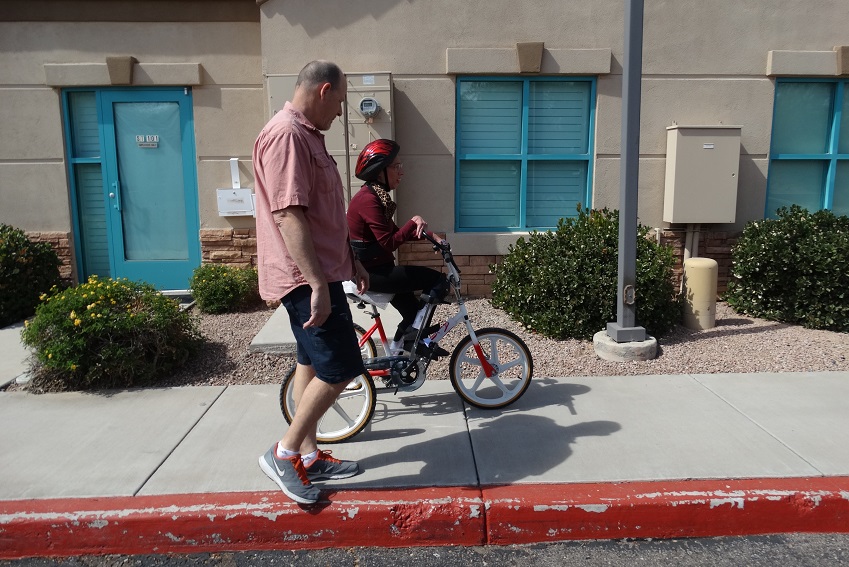
neurological rehabilitation

What Is Neurological Rehabilitation? – An Overview for Patients and Families

When a person experiences an injury or illness that affects the brain, spinal cord, or nerves, recovery can feel overwhelming. Neurological conditions—such as stroke, traumatic brain injury, spinal cord injury, multiple sclerosis, or Parkinson’s disease—often change how someone moves, speaks, thinks, or performs daily activities.

This is where neurological rehabilitation comes in.


What Is Neurological Rehabilitation?

Neurological rehabilitation (often called neuro rehab) is a specialized program designed to help people recover from, adapt to, and manage neurological conditions. The goal is to improve independence, restore function, and enhance overall quality of life.

Rehabilitation doesn’t just focus on the body—it addresses the whole person: movement, communication, thinking skills, emotions, and everyday activities.


Who Can Benefit?

Neuro rehab may help people with conditions such as:

  • Stroke

  • Traumatic brain injury (TBI)

  • Spinal cord injury

  • Multiple sclerosis (MS)

  • Parkinson’s disease

  • Neuropathy or nerve damage

  • Other neurological disorders


What Does Rehabilitation Involve?

Because every condition and person is different, treatment is highly individualized. A rehabilitation program may include:

  • Physical Therapy: Improves strength, coordination, balance, and mobility.

  • Occupational Therapy: Focuses on regaining independence in daily activities such as dressing, cooking, and self-care.

  • Speech Therapy: Helps with speaking, understanding language, swallowing, or cognitive challenges.

  • Neuropsychology or Counseling: Supports mental health, coping strategies, and emotional adjustment.

  • Technology & Adaptive Equipment: Devices like braces, wheelchairs, or communication tools that enhance independence.


The Role of the Family

Family members play a crucial role in the rehabilitation journey. From providing encouragement and helping with exercises at home, to learning how to adapt the home environment, families are often key partners in recovery.


Why Is Neurological Rehabilitation Important?

While some neurological conditions cannot be “cured,” rehabilitation provides tools and strategies to maximize recovery and independence. With the right care, many people regain function they thought was lost—or discover new ways to accomplish tasks and live meaningful, active lives.


Takeaway: Neurological rehabilitation is more than just therapy—it’s a pathway to hope, progress, and improved quality of life for both patients and families.

Contact our office at 480-719-8080 to set up an appointment with our Neurological Rehabilitation team!

Neuro And Brain Performance Has Moved!

We are happy to announce that as of September 8th, Neuro and Brain Performance Center has moved to 5761 E. Brown Rd. #19 Mesa, AZ 85205. This is only 1.5 miles from our old location. This new location is more than double the size of our old location and will have expanded Neuro Rehabilitation and Brain Performance services.

Jason Ernst, OT will be continuing to provide Orthopedic Therapy services at our old location at 6840 E. Brown Rd. #104 Mesa, AZ 85207. Contact our office at 480-719-8080 to schedule today!