Neurological Rehabilitation Providers
Give us a Call
(480) 719-8080
Opening Hours
Mon - Friday: 7AM - 7PM
Normal Pressure Hydrocephalus

How Can Physical Therapy Help Normal Pressure Hydrocephalus?

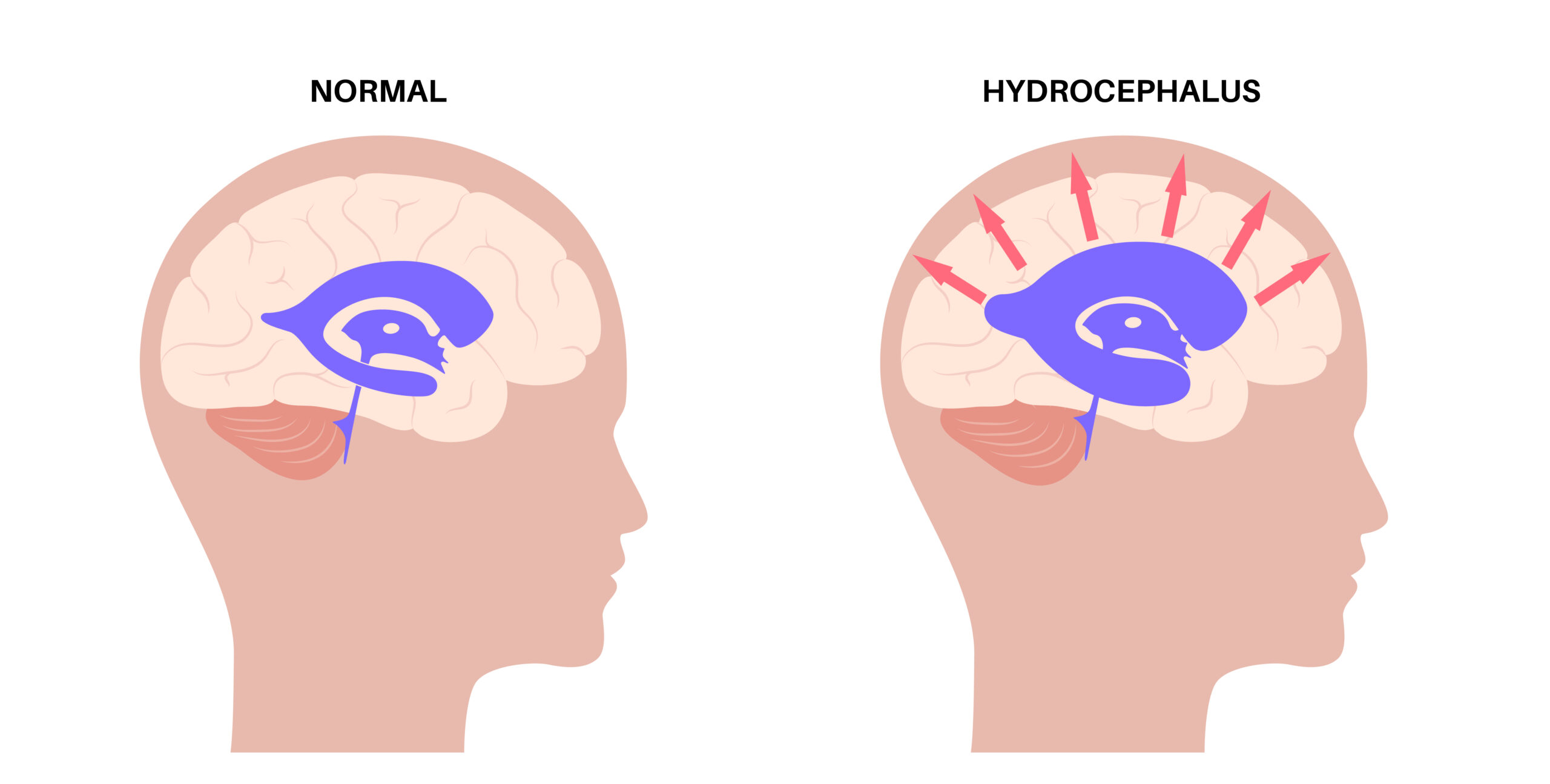
Normal Pressure Hydrocephalus (NPH) is a neurological condition where excess cerebrospinal fluid builds up in the brain’s ventricles, leading to a classic triad of symptoms:

  • Gait disturbance (often described as a “magnetic” or shuffling walk)
  • Cognitive decline
  • Urinary incontinence

Although medical treatment, most commonly a shunt procedure, is often necessary, physical therapy plays a critical role in improving mobility, safety, and overall quality of life.

Why Physical Therapy Matters for NPH

The most noticeable and disabling symptom of NPH is difficulty walking. Patients often experience:

  • Slow, short steps
  • Poor balance
  • Difficulty initiating movement
  • Frequent falls

Physical therapy directly targets these impairments, helping patients regain independence and confidence.


Key Ways Physical Therapy Helps

1. Gait Training

One of the primary goals is to improve walking ability.

Therapists focus on:

  • Increasing step length and walking speed
  • Practicing proper foot clearance
  • Improving rhythm and coordination

Benefit: Patients often move from a shuffling gait to a more natural walking pattern.


2. Balance and Fall Prevention

Balance deficits are a major concern with NPH.

Therapy may include:

  • Static and dynamic balance exercises
  • Weight-shifting drills
  • Dual-task training (walking while thinking or talking)

Benefit: Reduced fall risk and increased safety at home and in the community.


3. Strength Training

Weakness, especially in the legs, can worsen mobility issues.

Programs typically target:

  • Quadriceps
  • Glutes
  • Core muscles

Benefit: Stronger muscles support better posture, walking, and transfers (like getting up from a chair).


4. Functional Mobility Training

This focuses on everyday movements, such as:

  • Sit-to-stand transitions
  • Turning and changing direction
  • Getting in and out of bed

Benefit: Improved independence with daily activities.


5. Assistive Device Training

Many patients benefit from tools like:

  • Walkers
  • Canes

A physical therapist ensures:

  • Proper fit
  • Safe usage
  • Progression as the patient improves

Benefit: Increased confidence and reduced fall risk.


6. Post-Shunt Rehabilitation

After a shunt procedure, physical therapy becomes even more important.

Therapists help patients:

  • Re-learn improved movement patterns
  • Take advantage of symptom relief
  • Progress activity safely

Benefit: Maximizes the effectiveness of surgical treatment.


What Does a Typical PT Program Look Like?

A personalized program may include:

  • 2–3 sessions per week initially
  • A structured home exercise program
  • Ongoing reassessment of gait and balance

Treatment is highly individualized, depending on severity and response to medical care.


Can Physical Therapy Cure NPH?

Physical therapy does not cure NPH, but it is one of the most effective ways to:

  • Improve mobility
  • Reduce falls
  • Enhance independence
  • Support recovery after medical treatment

Think of it as a critical piece of the overall management plan.


When Should Someone Start Physical Therapy?

Early intervention is key. You should consider PT if:

  • Walking becomes slower or more unstable
  • There are recent falls or near-falls
  • A diagnosis of NPH has been made
  • A shunt procedure is planned or completed

Normal Pressure Hydrocephalus can significantly impact daily life, but with the right combination of medical care and targeted physical therapy, many patients see meaningful improvements. Physical therapy helps bridge the gap between diagnosis and real-world function, turning clinical progress into safer walking, better balance, and greater independence. If you have questions about how physical therapy can help with NPH, contact our office at 480-719-8000.

Proper blood pressure before doing physical therapy

The Importance of Maintaining Proper Blood Pressure Before Doing Physical Therapy

Physical therapy is designed to help people recover from injury, improve movement, and reduce pain. However, one important factor that should always be considered before beginning exercise in therapy is blood pressure. Maintaining a safe blood pressure range helps ensure that treatment is both safe and effective.

Because many physical therapy exercises increase heart rate and circulation, therapists often check blood pressure before starting a session. This helps determine whether it is safe to proceed with exercise or if modifications are needed.


Understanding Normal Blood Pressure Ranges

Blood pressure is measured using two numbers:

  • Systolic pressure – the pressure when the heart beats

  • Diastolic pressure – the pressure when the heart rests between beats

Blood pressure is written as systolic over diastolic (example: 120/80 mmHg).

General adult blood pressure categories include:

Normal

  • Less than 120/80 mmHg

Elevated

  • Systolic 120–129

  • Diastolic less than 80

Stage 1 Hypertension

  • Systolic 130–139

  • Diastolic 80–89

Stage 2 Hypertension

  • Systolic 140 or higher

  • Diastolic 90 or higher

Hypertensive Crisis

  • 180/120 mmHg or higher

  • Requires immediate medical attention


Blood Pressure and Physical Therapy Safety

Most physical therapists follow general safety guidelines when evaluating whether exercise is appropriate.

Typical considerations include:

Safe to Begin Exercise

  • Generally below 180/100 mmHg at rest

Exercise Should Be Delayed or Modified

  • Above 180/100 mmHg at rest

Exercise Should Be Stopped

  • Blood pressure rises above 250/115 mmHg during activity

  • Patient develops symptoms such as dizziness, chest pain, or severe headache

These guidelines help therapists protect patients while still promoting safe physical activity.


Why Blood Pressure Monitoring Matters

Monitoring blood pressure before and during therapy helps prevent potential complications such as:

  • Dizziness or fainting

  • Excessive cardiovascular strain

  • Shortness of breath

  • Headaches

  • Increased risk of cardiac events in high-risk individuals

By keeping blood pressure within safe ranges, patients can participate more comfortably and gain the full benefits of therapy.


How Physical Therapy Can Help Blood Pressure

The good news is that regular physical activity—including exercises prescribed in physical therapy—can actually help improve blood pressure control over time. Consistent movement, strength training, and cardiovascular exercise support heart health and better circulation.

Many patients find that as their strength, endurance, and overall fitness improve, their blood pressure also becomes easier to manage.


Tips Before Your Physical Therapy Session

To help keep your blood pressure in a safe range before therapy:

  • Take your blood pressure medications as prescribed

  • Stay hydrated

  • Avoid excess caffeine right before your appointment

  • Eat a light meal if recommended

  • Inform your therapist if you experience dizziness, headaches, or chest discomfort

Maintaining proper blood pressure before starting physical therapy helps ensure that exercise is safe, controlled, and beneficial. Monitoring these values allows therapists to tailor treatment appropriately and protect patients while helping them regain strength and mobility.

When patients and therapists work together to monitor blood pressure, physical therapy becomes a powerful and safe tool for recovery and long-term health. If you have concerns your blood pressure may be high before your physical therapy appointment, check with your physical therapist to make sure you are safe and ready to go.