Neurological Rehabilitation Providers
Give us a Call
(480) 719-8080
Opening Hours
Mon - Friday: 7AM - 7PM
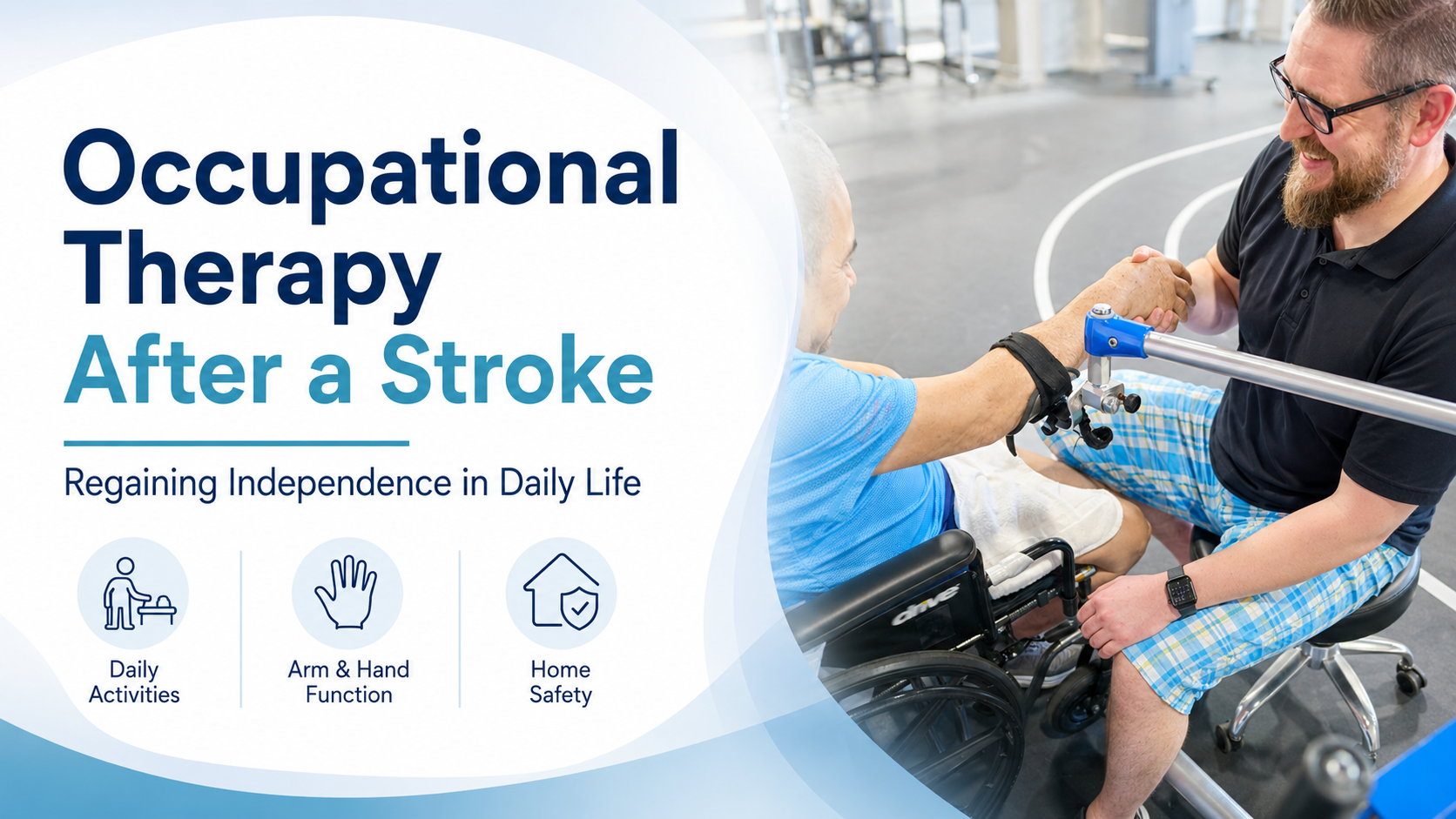
Occupational Therapy after a Stroke

Occupational Therapy After a Stroke: Regaining Independence in Daily Life

A stroke can change much more than a person’s ability to walk. Everyday activities that once felt automatic—getting dressed, preparing a meal, taking a shower, writing a note, using a phone, or returning to work—may suddenly become difficult.

That is where occupational therapy after a stroke can play an important role.

Occupational therapists help stroke survivors work toward greater independence by addressing the physical, cognitive, visual, sensory, and functional challenges that can interfere with daily life. Stroke rehabilitation frequently involves a coordinated team that includes occupational therapy, physical therapy, and speech-language therapy.

At Neuro & Brain Performance Centers in Mesa, Arizona, neurological occupational therapy is part of a comprehensive rehabilitation approach for people recovering from stroke and other neurological conditions.

What Does an Occupational Therapist Do After a Stroke?

The word “occupation” in occupational therapy does not refer only to a job. It refers to the meaningful activities that make up everyday life.

These may include:

  • Dressing
  • Bathing and grooming
  • Preparing meals
  • Eating
  • Using the bathroom
  • Managing medications
  • Writing or typing
  • Using a phone or computer
  • Performing household tasks
  • Driving or community mobility
  • Returning to work
  • Participating in hobbies
  • Caring for family members

Occupational therapy focuses on helping people participate as fully and safely as possible in the activities that matter to them. Professional occupational therapy guidelines for adults after stroke emphasize participation and performance in meaningful activities for both stroke survivors and their caregivers.

How Can a Stroke Affect Daily Activities?

The effects of a stroke vary depending on which areas of the brain were affected and the severity of the injury.

A stroke survivor may experience challenges such as:

Arm and Hand Weakness

Weakness or paralysis on one side of the body can make it difficult to reach, grasp, carry, button clothing, use utensils, or complete other everyday tasks.

Reduced Fine Motor Control

Activities such as fastening a zipper, handling coins, writing, using keys, or operating a smartphone require precise hand and finger movements. Fine motor rehabilitation is one area occupational therapy may address after stroke.

Changes in Sensation

Some people experience numbness, tingling, reduced awareness of temperature, or difficulty recognizing where an arm or hand is positioned.

Reduced sensation can create safety concerns during activities such as cooking, bathing, or carrying hot objects.

Problems With Balance and Coordination

Stroke can affect postural control and coordination, which may make dressing, showering, cooking, or moving around the home more difficult.

Visual Changes

A stroke may cause visual field loss, difficulty tracking objects, reduced depth perception, or problems interpreting visual information.

These changes can affect reading, driving, navigating environments, and completing household tasks.

Cognitive Changes

Stroke can also affect:

  • Memory
  • Attention
  • Problem-solving
  • Organization
  • Planning
  • Judgment
  • Processing speed

These cognitive skills are essential for many complex daily activities, including managing finances, following a recipe, taking medications correctly, and returning to work.

How Occupational Therapy Helps Stroke Survivors

Occupational therapy treatment is individualized based on the person’s abilities, challenges, lifestyle, and personal goals.

Practicing Activities of Daily Living

One of the primary goals of occupational therapy is helping people regain independence with everyday activities.

Therapy may involve practicing:

  • Dressing
  • Grooming
  • Showering
  • Toileting
  • Eating
  • Transfers
  • Meal preparation

Stroke rehabilitation guidance specifically recommends occupational therapy for people who have difficulty performing personal activities of daily living.

Rather than exercising a movement in isolation, an occupational therapist may incorporate that movement into a meaningful task.

For example, reaching exercises might involve retrieving an item from a cabinet. Hand exercises might involve buttoning a shirt or holding a utensil.

Improving Arm and Hand Function

Upper-extremity recovery is often an important part of occupational therapy after stroke.

Treatment may focus on:

  • Reaching
  • Grasping
  • Releasing objects
  • Hand strength
  • Finger coordination
  • Bilateral hand use
  • Shoulder movement
  • Arm positioning
  • Functional use of the affected side

The goal is not simply to improve movement—it is to help the person use that movement during meaningful activities.

Research reviewed by occupational therapy experts supports interventions such as upper-extremity training as part of post-stroke rehabilitation.

Addressing Cognitive Challenges

Physical recovery is only one part of stroke rehabilitation.

Cognitive difficulties can sometimes be less visible but may have a major impact on independence.

An occupational therapist may help a stroke survivor develop strategies for:

  • Remembering appointments
  • Organizing daily routines
  • Following multi-step tasks
  • Managing medications
  • Planning meals
  • Using calendars or reminders
  • Improving attention
  • Completing work-related tasks

Cognitive training is among the occupational therapy interventions studied for improving participation following stroke.

Improving Safety at Home

Returning home after a stroke can reveal challenges that were not obvious in a hospital or rehabilitation facility.

An occupational therapist may evaluate how a person functions in environments similar to their home and recommend ways to improve safety and independence.

Recommendations might include:

  • Grab bars
  • Shower chairs
  • Raised toilet seats
  • Adaptive utensils
  • Dressing equipment
  • Improved lighting
  • Removing trip hazards
  • Rearranging commonly used items
  • Modifying kitchen or bathroom routines

Occupational therapists may also assess a stroke survivor’s ability to manage safely at home and participate in the community.

Learning New Ways to Complete Tasks

Recovery does not always mean completing an activity exactly the way it was performed before the stroke.

Sometimes the best strategy is to adapt.

An occupational therapist may teach alternative techniques that allow a person to complete an activity more safely or independently.

For example:

  • Dressing the affected side first
  • Using one-handed techniques
  • Sitting during certain activities
  • Using adaptive equipment
  • Breaking complex activities into smaller steps
  • Changing the setup of the home

These strategies can help reduce frustration while allowing the individual to participate more fully in daily life.

Returning to Work and Meaningful Activities

For many stroke survivors, recovery goals extend beyond basic self-care.

They may want to return to:

  • Employment
  • Gardening
  • Golf
  • Cooking
  • Crafts
  • Community activities
  • Exercise
  • Parenting
  • Volunteering
  • Driving
  • Social activities

Returning to work after a stroke can be complex because stroke may leave ongoing physical, cognitive, communication, and fatigue-related challenges.

Occupational therapy can help identify the specific demands of an activity and develop strategies for working toward that goal.

Occupational Therapy and Neuroplasticity

One of the principles behind neurological rehabilitation is the brain’s ability to adapt through neuroplasticity.

Repeated, meaningful practice can help reinforce movement patterns and functional skills.

At Neuro & Brain Performance Centers, rehabilitation incorporates techniques designed to engage the brain through repetitive movement and feedback as part of neurological recovery.

This is one reason occupational therapy frequently uses real-world tasks rather than relying only on generalized exercises.

How Long After a Stroke Can Occupational Therapy Help?

Recovery after stroke does not follow the same timeline for everyone.

Some of the fastest improvements may occur earlier in recovery, but progress can continue over time. The American Stroke Association notes that improvements may still be possible even after the initial pace of recovery slows.

That means someone who had a stroke months or even years ago may still benefit from an evaluation if they have goals related to independence, arm and hand function, daily activities, cognition, work, or community participation.

Signs Occupational Therapy May Be Appropriate

Consider an occupational therapy evaluation if a stroke survivor is having difficulty with:

  • Dressing or grooming
  • Bathing
  • Cooking
  • Using an affected arm or hand
  • Writing or typing
  • Memory or organization
  • Returning to work
  • Household activities
  • Vision-related tasks
  • Using adaptive equipment
  • Participating in hobbies
  • Completing daily routines independently

Occupational therapy can also be helpful when a person has made physical progress but still struggles to translate that progress into everyday activities.

A Team Approach to Stroke Rehabilitation

Stroke can affect many areas of function at the same time.

That is why rehabilitation often involves several disciplines.

Physical therapy may focus on walking, balance, strength, transfers, and mobility.

Occupational therapy focuses on independence and participation in daily activities.

Speech therapy may address communication, cognition, voice, and swallowing.

A coordinated multidisciplinary approach allows therapists to address different parts of recovery while working toward common goals. Stroke rehabilitation guidelines recognize occupational therapists as part of the larger coordinated rehabilitation team.

Neurological Occupational Therapy in Mesa, Arizona

Neuro & Brain Performance Centers provides specialized neurological occupational therapy for people recovering from stroke and other neurological conditions.

Our neurological rehabilitation team works with patients to identify the activities that matter most to them and develop individualized treatment plans designed to improve function, safety, confidence, and independence.

Learn more about neurological occupational therapy at Neuro & Brain Performance Centers and how our team may help you or your loved one work toward greater independence after a stroke.

Neuro & Brain Performance Centers serves patients in Mesa and surrounding East Valley communities, including Tempe, Chandler, Gilbert, and Apache Junction.

Take the Next Step

Recovering after a stroke can be challenging, but progress is not measured only by walking farther or becoming stronger. Being able to button a shirt, prepare breakfast, use a phone, return to a hobby, care for yourself, participate in your community, these everyday accomplishments can have a meaningful impact on independence and quality of life.

If a stroke has made daily activities difficult for you or a loved one, a neurological occupational therapy evaluation may help identify opportunities for continued improvement.

Hypoxia for Neurological Conditions

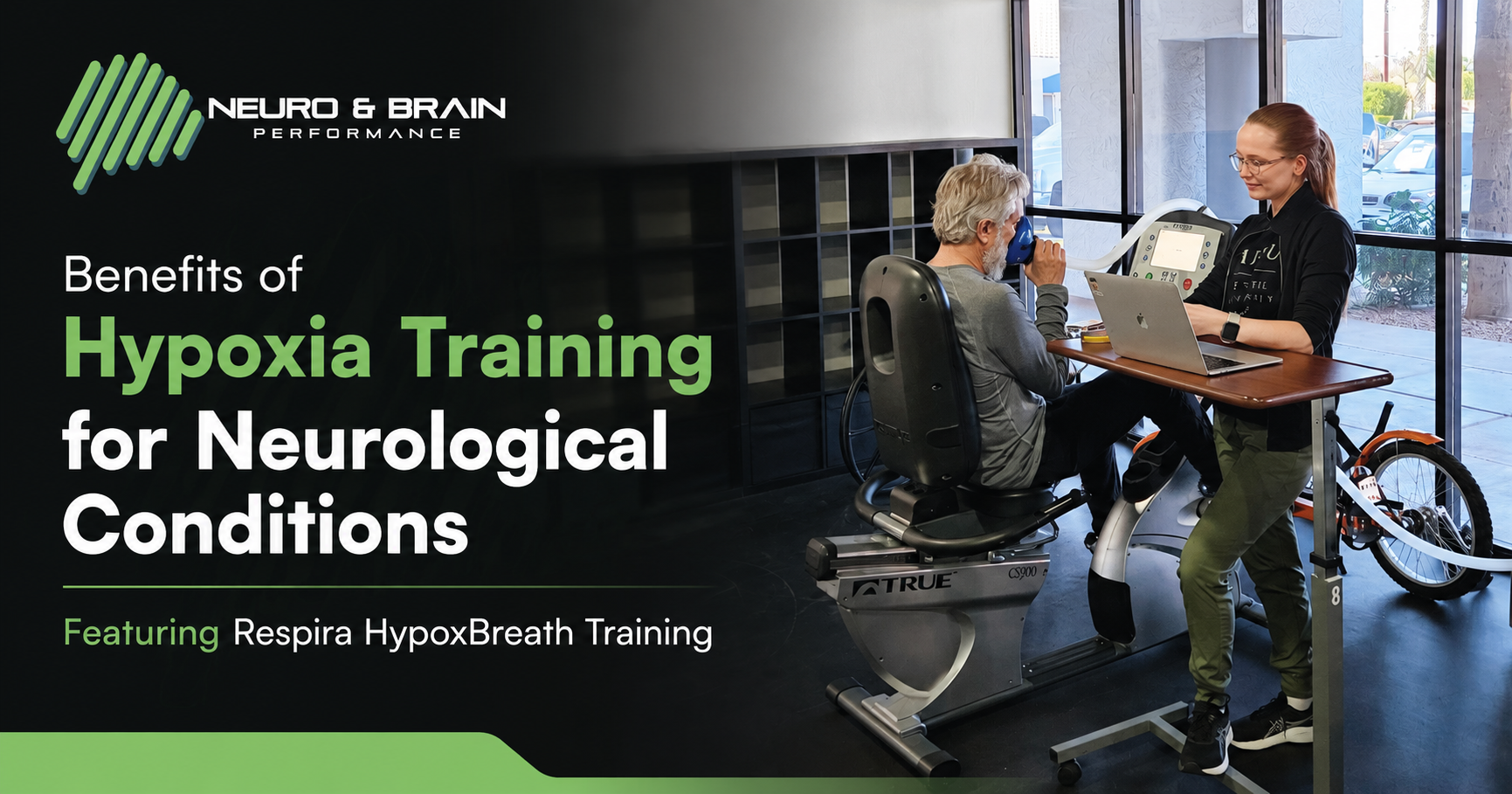
The Benefits of Hypoxia Training for Neurological Rehabilitation

Neurological conditions can affect movement, balance, endurance, coordination, speech, cognition, and a person’s ability to complete everyday activities. Although neurological rehabilitation remains the foundation of treatment, emerging technologies such as intermittent hypoxia-hyperoxia training, or IHHT, may help selected patients improve their response to therapy.

At Neuro & Brain Performance Centers, we use the Respira HypoxBreath® system to provide controlled, individualized hypoxia training. The system alternates periods of reduced-oxygen air with recovery periods, creating a carefully monitored physiological challenge.

This approach is designed to encourage the body to adapt to changing oxygen availability. Researchers are studying whether these adaptations may support neuroplasticity, physical conditioning, cellular energy production, autonomic regulation, and functional recovery in people with certain neurological conditions.

What Is Intermittent Hypoxia-Hyperoxia Training?

Intermittent hypoxia-hyperoxia training involves breathing air with a temporarily reduced oxygen concentration during short, controlled intervals. These intervals are alternated with recovery periods in which the individual receives air with a higher oxygen concentration.

The HypoxBreath system allows our clinical team to provide these alternating phases in a controlled environment. During treatment, the patient relaxes while breathing through a comfortable mask. Oxygen saturation, heart rate, symptoms, and overall response can be monitored throughout the session.

The intensity and duration of each phase can be individualized according to the patient’s health history, oxygen response, tolerance, and rehabilitation goals.

Therapeutic hypoxia training is different from the uncontrolled and repetitive oxygen deprivation associated with untreated sleep apnea. The amount of oxygen reduction, duration of exposure, recovery period, patient selection, and professional supervision are all important components of safe treatment.

How Does the HypoxBreath System Work?

The HypoxBreath system delivers alternating cycles of hypoxia and oxygen-supported recovery.

The hypoxia phase

During the hypoxia phase, the patient temporarily breathes air containing less oxygen than normal room air. This creates a controlled physiological stress that may encourage the body to improve how it responds to changes in oxygen availability.

According to Respira Global, temporarily reducing oxygen levels is intended to stimulate cellular adaptation, mitochondrial activity, energy efficiency, and resilience to physiological stress.

The recovery phase

The hypoxia interval is followed by a recovery phase with increased oxygen availability. This phase allows oxygen saturation to recover and may support circulation, metabolic recovery, and tissue function.

These cycles are repeated according to an individualized protocol. The goal is not to deprive the body of oxygen for an extended period. Instead, treatment creates brief, monitored changes in oxygen availability that encourage an adaptive response.

How Could Hypoxia Training Support Neurological Recovery?

A carefully controlled reduction in oxygen creates a mild physiological challenge. In response, the body may activate adaptive pathways involving the nervous, cardiovascular, respiratory, and muscular systems.

One of the most promising areas of research involves neuroplasticity—the nervous system’s ability to reorganize, strengthen neural connections, and develop new strategies for performing a movement or task.

Brief intermittent hypoxia may activate serotonin-dependent pathways and other cellular processes associated with plasticity in the brain and spinal cord. Researchers believe this may temporarily make portions of the nervous system more responsive to task-specific rehabilitation.

This means hypoxia training may be particularly valuable when it is incorporated into a comprehensive neurological rehabilitation program that includes activities such as walking practice, balance training, strengthening, upper-extremity exercises, respiratory training, or other goal-directed interventions.

Potential Benefits of Hypoxia Training

1. May Promote Neuroplasticity

Neuroplasticity is central to rehabilitation following a stroke, spinal cord injury, brain injury, or neurological diagnosis. Repeated practice helps the nervous system strengthen the pathways involved in movement and function.

Controlled intermittent hypoxia may stimulate biological signals associated with neural adaptation and motor learning. Research has identified possible effects on neurotrophic factors, vascular responses, inflammation, oxidative stress, and other mechanisms connected to nervous-system plasticity.

Research across many neurological diagnoses remains preliminary, however. Proposed benefits should not be interpreted as proof that hypoxia training can reverse neurological damage or cure a neurological condition.

2. May Support Walking and Mobility

Some of the strongest human evidence for acute intermittent hypoxia comes from studies involving people with incomplete spinal cord injuries.

Researchers have investigated whether intermittent hypoxia can improve walking speed, walking endurance, lower-extremity function, and the nervous system’s ability to activate muscles. Results have been encouraging in selected patients, particularly when hypoxia exposure is paired with walking or gait training.

Researchers are also exploring whether intermittent hypoxia can enhance walking rehabilitation following a stroke. This remains an emerging clinical application rather than an established standard of care.

3. May Support Strength and Motor Function

Neurological conditions can make it difficult for the nervous system to fully recruit and control muscles.

Intermittent hypoxia may temporarily increase the responsiveness of motor pathways, potentially helping some patients produce more effective muscle contractions during therapy. Studies involving chronic spinal cord injury have reported possible improvements in upper-extremity strength and hand function.

Larger studies are still needed to determine which patients are most likely to benefit, what treatment dose is most effective, and how long improvements may last.

4. May Improve Exercise Tolerance

Fatigue and reduced cardiovascular endurance are common after neurological injury and among people living with chronic neurological conditions.

Controlled hypoxia training may encourage adaptations related to oxygen utilization, circulation, cellular energy production, and tolerance for physical activity. Improved exercise tolerance could help a patient participate more fully in walking, strengthening, balance training, and everyday activities.

Improvements in general conditioning should not automatically be interpreted as direct neurological recovery. However, greater endurance may allow a patient to perform more meaningful and productive rehabilitation activities.

5. May Support Mitochondrial Function

Mitochondria are the structures within cells that help convert nutrients and oxygen into usable energy. Reduced mitochondrial efficiency may contribute to fatigue, reduced exercise tolerance, and slower recovery.

Respira describes HypoxBreath training as a way to encourage adaptations related to mitochondrial function and energy efficiency through alternating hypoxia and recovery phases.

For neurological rehabilitation patients, improved cellular energy efficiency may potentially support endurance and participation in therapy. More research is needed to determine how consistently these physiological changes translate into measurable functional improvements for each neurological diagnosis.

6. May Support Autonomic Nervous System Regulation

The autonomic nervous system helps regulate functions such as heart rate, blood pressure, breathing, digestion, temperature control, and the body’s response to stress.

Neurological injuries and chronic neurological conditions can sometimes disrupt autonomic regulation. Respira states that its intermittent hypoxia training approach is intended to help calm and regulate autonomic nervous-system activity.

A more balanced autonomic response may potentially support relaxation, recovery, sleep quality, stress tolerance, and overall readiness for rehabilitation. Individual responses vary, and hypoxia training should not replace medical treatment for diagnosed autonomic disorders.

7. May Support Respiratory Function

Certain spinal cord injuries and neurological conditions affect the muscles and neural pathways responsible for breathing.

Acute intermittent hypoxia is being studied as a method for promoting plasticity in respiratory pathways and improving the nervous system’s activation of breathing muscles. This may eventually provide another treatment option for selected people with neurologically related respiratory weakness.

This application requires careful screening and supervision, especially for individuals with respiratory disease, cardiovascular conditions, impaired autonomic control, or reduced baseline oxygen saturation.

8. May Enhance the Effects of Neurological Therapy

Hypoxia training is not intended to replace physical therapy, occupational therapy, speech therapy, medical treatment, or a patient’s prescribed exercise program.

Its greatest potential may be as a priming intervention used before or in coordination with rehabilitation. The controlled oxygen challenge may create a temporary period during which the nervous system is more responsive to repetitive, task-specific practice.

Depending on the patient’s goals, HypoxBreath training may be incorporated into a rehabilitation program that also includes:

  • Neurological physical therapy
  • Walking and gait training
  • Balance and vestibular activities
  • Functional strengthening
  • Upper-extremity rehabilitation
  • Coordination exercises
  • Respiratory muscle training
  • Cardiovascular conditioning
  • Task-specific movement practice
  • Brain performance training

The rehabilitation activity remains essential. Hypoxia exposure alone does not teach the nervous system how to walk, balance, reach, communicate, or complete daily activities.

Which Neurological Conditions Are Being Studied?

Therapeutic intermittent hypoxia has been most extensively studied in people with incomplete spinal cord injuries. Researchers are also exploring its possible role in rehabilitation and conditioning programs for people affected by:

  • Stroke
  • Traumatic brain injury
  • Multiple sclerosis
  • Parkinson’s disease
  • Age-related neurological decline
  • Neurologically related respiratory weakness
  • Other conditions affecting movement and nervous-system function

The amount and quality of evidence differ significantly by diagnosis. Evidence supporting potential motor improvements following incomplete spinal cord injury is more developed than the evidence available for many brain injuries and progressive neurodegenerative conditions.

Hypoxia training should therefore be recommended based on the individual patient—not simply on the name of a diagnosis.

What Is a HypoxBreath Session Like?

A HypoxBreath session is generally performed while the patient rests in a comfortable position.

The patient breathes through a mask connected to the system. The equipment then provides alternating periods of reduced-oxygen air and oxygen-supported recovery according to the selected protocol.

During the session, our team may monitor:

  • Blood oxygen saturation
  • Heart rate
  • Breathing response
  • Symptoms
  • Comfort and tolerance
  • Recovery between hypoxia intervals

Patients may experience a change in breathing awareness, mild warmth, relaxation, or temporary fatigue. Any concerning symptoms should be reported immediately so the treatment can be adjusted or stopped.

The number and frequency of sessions depend on the patient’s health, goals, response to treatment, and overall rehabilitation plan.

Is Hypoxia Training Safe?

Intermittent hypoxia training has generally been well tolerated by carefully screened research participants when delivered at an appropriate dose and under professional supervision.

Safety depends on the patient’s medical history, baseline oxygen saturation, severity of oxygen reduction, session duration, recovery intervals, and monitoring procedures.

Hypoxia training may not be appropriate for everyone. Additional medical clearance or caution may be necessary for people with:

  • Unstable cardiovascular disease
  • Uncontrolled high blood pressure
  • Significant respiratory disease
  • Severe anemia
  • Certain heart rhythm disorders
  • A history of fainting
  • Poor tolerance for reduced oxygen
  • Uncontrolled seizures
  • Pregnancy
  • Untreated sleep-disordered breathing
  • Acute illness or infection
  • Other medically unstable conditions

Patients should be screened before beginning treatment. Hypoxia training should not be attempted independently using unregulated equipment or improvised methods.

A Promising Tool—Not a Cure

Hypoxia training is an exciting area of neurological rehabilitation and human-performance research, but it should not be presented as a cure for stroke, spinal cord injury, traumatic brain injury, Parkinson’s disease, multiple sclerosis, or another neurological condition.

Current evidence suggests that carefully dosed intermittent hypoxia may support neuroplasticity, strength, walking, breathing, endurance, or exercise participation in selected patients.

Researchers are still working to determine:

  • Which diagnoses respond best
  • Which patients are appropriate candidates
  • The ideal oxygen concentration
  • The ideal duration of each interval
  • The recommended number of sessions
  • How frequently treatment should be performed
  • Which rehabilitation activities should accompany treatment
  • How long potential improvements last

Hypoxia training should be individualized and incorporated into a comprehensive neurological rehabilitation or performance program.

HypoxBreath Training at Neuro & Brain Performance Centers

At Neuro & Brain Performance Centers, we use the Respira HypoxBreath system as part of our commitment to bringing innovative, evidence-informed technology into neurological rehabilitation.

Our team evaluates each person’s medical history, current abilities, oxygen response, functional limitations, and rehabilitation goals before recommending hypoxia training.

When appropriate, HypoxBreath training may be combined with neurological physical therapy, occupational therapy, speech therapy, brain performance training, cardiovascular conditioning, and other targeted interventions.

Our goal is not simply to complete a hypoxia session. Our goal is to use the technology strategically to help each patient participate more effectively in rehabilitation and work toward meaningful improvements in mobility, endurance, independence, and quality of life.

Could Hypoxia Training Be Right for You?

Hypoxia training is not appropriate for every patient, and results vary. A professional evaluation is necessary to determine whether it may be a safe and beneficial addition to your program.

Contact Neuro & Brain Performance Centers to learn more about Respira HypoxBreath training and schedule an individualized evaluation.

Balance Problems

Balance Problems and Neurological Conditions: When to Seek Help

Feeling unsteady occasionally can happen to anyone. However, recurring balance problems, unexplained falls, dizziness, or difficulty walking may be signs that something more significant is affecting the body’s balance system.

Balance depends on the brain receiving and coordinating information from the eyes, inner ears, muscles, joints, and sensory nerves. When a neurological condition disrupts one or more of these systems, standing and moving safely can become more difficult.

Understanding the warning signs—and knowing when to seek help—can reduce the risk of falls, injuries, and loss of independence.

What Do Balance Problems Feel Like?

Balance problems do not always feel the same from one person to another. Some people experience dizziness or a spinning sensation, while others simply feel unstable when standing or walking.

Common symptoms may include:

  • Feeling unsteady or wobbly while walking
  • Drifting or leaning toward one side
  • Frequently stumbling or catching a foot
  • Needing to hold furniture, walls, or another person for support
  • Difficulty walking in dark or crowded environments
  • Trouble turning, changing direction, or navigating stairs
  • Dizziness, lightheadedness, or vertigo
  • Difficulty standing up from a chair
  • Fear of falling
  • One or more unexplained falls

Balance problems can develop gradually, making them easy to dismiss as a normal part of aging. However, frequent instability is not something that should automatically be accepted or ignored.

How Does the Body Maintain Balance?

The body uses several systems simultaneously to maintain balance.

Vision

Your eyes help you understand where you are in relation to your surroundings. Reduced vision, difficulty judging depth, or problems processing visual information can contribute to instability.

The Vestibular System

The vestibular system is located within the inner ear and provides information about head position and movement. Problems within this system may cause dizziness, vertigo, nausea, or a sensation that the environment is moving.

Sensory Feedback

Nerves in the feet, legs, muscles, and joints tell the brain where the body is positioned. Conditions such as peripheral neuropathy can reduce this feedback and make it difficult to feel the ground clearly.

The Brain and Nervous System

The brain processes sensory information and sends instructions to the muscles needed for posture, coordination, and movement. A neurological injury or disease can interfere with this communication.

Strength and Coordination

Adequate leg and core strength are necessary to remain upright and respond to changes in the environment. Weakness, stiffness, tremors, poor coordination, and delayed reactions can all increase fall risk.

Because balance depends on several interconnected systems, determining the cause of a problem often requires a comprehensive evaluation.

Neurological Conditions That Can Affect Balance

A variety of neurological conditions may interfere with walking, coordination, sensation, or postural control.

Stroke

A stroke may cause weakness on one side of the body, changes in sensation, impaired coordination, visual problems, or difficulty judging body position. These changes can significantly affect standing and walking.

Parkinson’s Disease

Parkinson’s disease may lead to smaller steps, slower movement, stiffness, reduced arm swing, difficulty turning, and episodes in which the feet feel temporarily stuck to the floor. These movement changes may increase the risk of falling.

Multiple Sclerosis

Multiple sclerosis can affect strength, sensation, coordination, vision, endurance, and muscle tone. Symptoms may fluctuate, and fatigue can make balance more difficult later in the day.

Traumatic Brain Injury

A traumatic brain injury or concussion may disrupt the brain’s ability to process visual, vestibular, and sensory information. A person may experience dizziness, poor coordination, headaches, slowed reactions, or difficulty tolerating busy environments.

Peripheral Neuropathy

Peripheral neuropathy can cause numbness, tingling, burning, weakness, or reduced awareness of foot position. When the feet cannot accurately sense the surface below them, walking may become less stable.

Spinal Cord Injury

A spinal cord injury can affect strength, sensation, muscle tone, coordination, and the ability to control the trunk and legs.

Cerebellar Disorders and Ataxia

The cerebellum plays an important role in coordination and movement accuracy. Disorders affecting this area of the brain may result in wide-based walking, poor coordination, tremors, or difficulty controlling movement.

Dementia and Cognitive Changes

Cognitive changes can affect attention, judgment, reaction time, spatial awareness, and the ability to recognize environmental hazards. Older adults with cognitive impairment may therefore have an increased risk of falling.

Balance problems can also be related to inner-ear disorders, vision changes, medication side effects, cardiovascular conditions, muscle weakness, joint problems, dehydration, or low blood pressure. A healthcare provider can help determine whether the symptoms are neurological, vestibular, medical, or caused by a combination of factors.

Warning Signs That Should Not Be Ignored

Consider speaking with a healthcare provider when balance problems:

  • Occur repeatedly
  • Are becoming progressively worse
  • Have caused a fall or near-fall
  • Interfere with work, exercise, or household activities
  • Make stairs or uneven surfaces difficult
  • Cause you to avoid leaving home
  • Require you to hold onto walls or furniture
  • Are accompanied by new weakness, numbness, tremors, or coordination problems
  • Began after a concussion, stroke, illness, surgery, or medication change
  • Reduce your confidence or independence

You do not need to wait until a serious fall occurs before requesting an evaluation. Early identification of strength, mobility, sensory, or coordination deficits may create more opportunities to address them.

Falls are a major health concern among older adults, but many fall risks can be identified and reduced. The Centers for Disease Control and Prevention emphasizes that falls are preventable and recommends addressing balance, strength, medications, vision, and home safety as part of fall prevention.

When Balance Problems May Be an Emergency

Sudden balance loss can sometimes be a warning sign of a medical emergency.

Call 911 or seek immediate emergency care if sudden dizziness, loss of balance, or difficulty walking occurs with:

  • Facial drooping
  • Weakness or numbness on one side
  • Slurred speech or difficulty speaking
  • Sudden confusion
  • Sudden vision loss or double vision
  • A severe, unusual headache
  • Fainting or loss of consciousness
  • Chest pain
  • Severe shortness of breath
  • A recent significant head injury
  • Inability to stand or walk safely

These symptoms may indicate a stroke or another urgent medical condition. Do not attempt to drive yourself for emergency evaluation.

How Neurological Physical Therapy Can Help

Neurological physical therapy focuses on movement problems caused by conditions affecting the brain, spinal cord, nerves, balance systems, and muscles.

A neurological physical therapist may evaluate:

  • Walking pattern
  • Standing balance
  • Leg and core strength
  • Coordination
  • Sensation
  • Posture
  • Flexibility
  • Ability to transfer between surfaces
  • Reaction time
  • Fall history
  • Use of a cane, walker, or wheelchair
  • Safety during daily mobility

Treatment is individualized according to the person’s diagnosis, abilities, goals, and safety needs.

A rehabilitation program may include:

Balance Training

Exercises may challenge the body’s ability to remain stable under different conditions, such as standing with a narrower base of support, shifting weight, reaching, turning, or walking across different surfaces.

Strengthening

Improving leg, hip, ankle, and trunk strength can make standing, climbing stairs, and recovering from a loss of balance easier.

Gait Training

Gait training may address step length, foot clearance, speed, turning, posture, and the use of an assistive device.

Coordination Exercises

Task-specific activities can help improve movement accuracy and control.

Vestibular Rehabilitation

When dizziness or vestibular dysfunction contributes to the problem, specialized exercises may help improve gaze stability, motion tolerance, and balance.

Functional Training

Therapy often incorporates activities that reflect real-life needs, such as getting out of a chair, stepping over obstacles, navigating curbs, or carrying objects while walking.

Fall-Prevention Education

A therapist may recommend changes to footwear, equipment, daily routines, or the home environment to improve safety.

At Neuro & Brain Performance Centers, neurological physical therapy is designed to address movement, balance, strength, coordination, mobility, and independence for people living with or recovering from neurological conditions.

Learn more about our specialized neurological physical therapy services and how treatment may help improve balance, walking, strength, coordination, and confidence.

The Role of Occupational Therapy

Balance problems often affect more than walking. They may also make bathing, dressing, cooking, shopping, working, or completing household activities more difficult.

A neurological occupational therapist can evaluate how balance, coordination, vision, cognition, sensation, and upper-extremity function affect daily independence.

Occupational therapy may address:

  • Bathroom and shower safety
  • Dressing and grooming strategies
  • Kitchen mobility
  • Home modifications
  • Energy conservation
  • Visual-perceptual problems
  • Cognitive challenges
  • Safe use of adaptive equipment
  • Returning to work or meaningful activities

A multidisciplinary rehabilitation approach may be especially helpful when balance problems are accompanied by cognitive, communication, visual, or daily-function challenges. Neuro & Brain Performance Centers provides neurological physical therapy, occupational therapy, and speech therapy in Mesa, Arizona.

Steps You Can Take at Home

Professional evaluation is important when symptoms are recurring or worsening, but several practical steps may help reduce immediate fall risk.

  • Remove loose rugs and clutter from walkways.
  • Improve lighting in hallways, bathrooms, and stairways.
  • Install handrails and grab bars where appropriate.
  • Wear supportive, properly fitting shoes.
  • Avoid walking in socks on smooth floors.
  • Stand up slowly after sitting or lying down.
  • Keep frequently used items within easy reach.
  • Use a prescribed cane or walker consistently.
  • Review medications with a physician or pharmacist.
  • Schedule regular vision and hearing examinations.
  • Keep a phone or emergency alert device accessible.
  • Avoid attempting difficult balance exercises without appropriate supervision.

Do not begin challenging exercises found online when you already have significant instability. Exercises that are safe for one person may create unnecessary fall risk for another.

When Should You Schedule a Balance Evaluation?

A balance evaluation may be appropriate when you or a family member notices:

  • Increasing unsteadiness
  • A recent fall
  • Repeated near-falls
  • Changes in walking speed or step length
  • Difficulty turning or navigating obstacles
  • New reliance on furniture or another person
  • Reduced participation because of fear of falling
  • Balance changes associated with a neurological diagnosis
  • Difficulty returning to normal activity after a stroke, concussion, or brain injury

Seeking help early can provide a clearer understanding of what may be contributing to the problem and what strategies may improve safety.

Take the Next Step Toward Safer Movement

Balance problems can affect confidence, mobility, and independence, but they should not automatically be considered an unavoidable part of aging or neurological disease.

A personalized neurological rehabilitation program can identify the specific factors affecting balance and help individuals practice safer, more efficient movement.

Neuro & Brain Performance Centers provides specialized neurological physical therapy, occupational therapy, and speech therapy in Mesa, Arizona, serving individuals throughout Mesa and surrounding East Valley communities.

Contact Neuro & Brain Performance Centers to learn whether a neurological rehabilitation evaluation may be appropriate for you or your loved one.

This article is for educational purposes only and is not a substitute for medical evaluation, diagnosis, or treatment. Seek emergency care for sudden balance loss or symptoms that may indicate a stroke or other serious medical condition.

Long-Term Rehabilitation

Managing Frustration During Long-Term Rehabilitation

Long-term rehabilitation is a journey that asks a lot of the brain, body, and spirit. Whether you are recovering from a brain injury, stroke, neurological condition, concussion, surgery, or another life-changing event, progress can feel slow, uneven, and emotionally exhausting.

Frustration is not a sign that you are failing. It is often a natural response to working hard, caring deeply, and wanting your life to feel more familiar again.

At Neuro and Brain Performance Centers, we understand that rehabilitation is not only physical or cognitive. It is also emotional. Learning how to manage frustration can help you stay engaged, protect your motivation, and move forward with more confidence.

Why Frustration Happens During Rehabilitation

Rehabilitation often involves repeating difficult tasks, facing temporary limitations, and adjusting to changes in independence, communication, memory, energy, or mobility. After a stroke or brain injury, emotional changes such as irritability, sadness, anxiety, anger, grief, and frustration are common. These changes may be related to both the recovery process and the way the brain itself has been affected.

Frustration may show up when:

You cannot do something as quickly or easily as before.

You feel like progress has slowed or stopped.

You are tired of appointments, exercises, and routines.

You compare your recovery to someone else’s.

You feel dependent on others.

You know what you want to say or do, but your body or brain will not cooperate yet.

These feelings are valid. The goal is not to eliminate frustration completely. The goal is to recognize it, respond to it, and keep it from taking over your recovery.

1. Redefine Progress

Many people expect rehabilitation to move in a straight line: work hard, improve, repeat. In reality, recovery often includes plateaus, setbacks, and small gains that are easy to overlook.

Progress may look like walking a few more steps, remembering one more detail, needing less help with a task, recovering faster after fatigue, or simply showing up on a difficult day.

Try asking yourself: “What can I do today that I could not do a month ago?” Small improvements matter. They are often the foundation for bigger changes.

2. Break Goals Into Smaller Steps

Large goals can feel overwhelming. Instead of focusing only on “getting back to normal,” work with your rehabilitation team to identify smaller, measurable goals.

For example:

“Improve balance” can become “stand safely for 30 seconds.”

“Get stronger” can become “complete this exercise set three times this week.”

“Think more clearly” can become “use one memory strategy during my morning routine.”

Smaller goals give your brain more frequent evidence that your effort is working. They also make it easier to celebrate progress along the way.

3. Expect Hard Days Without Letting Them Define You

Some days will feel harder than others. Fatigue, pain, poor sleep, stress, overstimulation, or changes in routine can all affect performance. A difficult therapy session does not erase the progress you have made.

When frustration rises, pause and name what is happening: “This is a hard moment, not a failed recovery.”

That simple shift can create space between the feeling and your response.

4. Use a Reset Strategy

When frustration builds, your nervous system may need help calming down before you can continue. A reset strategy can be short and simple:

Take slow breaths.

Step away for a few minutes.

Stretch or change positions.

Ask for instructions to be repeated.

Use a quieter space.

Drink water.

Write down what feels frustrating.

Tell your therapist, “I need a short reset.”

This is not quitting. It is self-regulation. Emotional regulation is an important part of rehabilitation, especially after brain injury, where mood swings, irritability, anxiety, and emotional changes can affect participation and quality of life.

5. Watch Your Inner Dialogue

The way you talk to yourself during rehabilitation matters. Frustration often comes with thoughts like:

“I should be better by now.”

“I’ll never get this.”

“Everyone else is improving faster.”

“I’m a burden.”

These thoughts may feel true in the moment, but they are not always accurate. Try replacing them with more balanced statements:

“This is difficult, but I am still practicing.”

“My recovery has its own timeline.”

“I can be frustrated and still keep going.”

“Needing help right now does not mean I always will.”

Compassionate self-talk is not pretending everything is easy. It is giving yourself the same patience you would offer someone else.

6. Communicate With Your Care Team

Your therapists and providers need to know when frustration, fatigue, fear, or discouragement are affecting your recovery. These emotions are part of the rehabilitation picture.

Tell your care team when:

A task feels too overwhelming.

You do not understand why you are doing an exercise.

You are losing motivation.

You feel emotionally exhausted.

You are avoiding therapy because of frustration.

Your team may be able to adjust the pace, explain the purpose of activities, modify your plan, or help you build coping strategies into your sessions.

7. Involve Family and Caregivers

Frustration can affect the whole household. Loved ones may want to help but may not know when to step in, when to encourage, or when to give space.

It can help to discuss questions like:

“What kind of support feels helpful?”

“What makes me feel pressured?”

“How should we handle hard moments?”

“What signs show that I need a break?”

Caregivers also need support. Rehabilitation is a shared journey, and open communication can reduce misunderstandings and emotional strain.

8. Avoid Comparing Recoveries

No two rehabilitation journeys are exactly alike. Diagnosis, injury location, age, health history, support systems, therapy frequency, sleep, stress, and many other factors can influence recovery.

Comparing yourself to someone else may make frustration worse. Instead, compare your current self to your past self. Your progress deserves to be measured against your own starting point.

9. Celebrate Effort, Not Just Outcomes

Some days, the victory is not completing the task perfectly. It is trying again. It is showing up. It is asking for help. It is resting instead of pushing into burnout.

Effort builds consistency. Consistency supports progress.

Celebrating effort helps reinforce the behaviors that move recovery forward, even when the results are not immediately visible.

10. Know When to Ask for More Support

Frustration is common, but it should not feel unmanageable all the time. Consider reaching out for additional professional support if you notice ongoing sadness, anger, anxiety, hopelessness, withdrawal, sleep changes, or loss of interest in things you usually care about.

Psychological and emotional support can be an important part of living with a long-term health condition or disability. The American Psychological Association notes that managing chronic illness includes supporting quality of life, not just treating symptoms.

You do not have to “tough it out” alone.

Moving Forward With Patience and Purpose

Long-term rehabilitation takes persistence, but it also takes patience. Frustration may visit often, especially when progress feels slow. But frustration does not mean you are stuck. It means you are human, and you are working through something difficult.

At Neuro and Brain Performance Centers, we help patients build not only strength, coordination, balance, and cognitive skills, but also the confidence and resilience needed for the road ahead.

Recovery is not always fast. It is not always easy. But with the right support, realistic goals, and compassionate strategies, each step forward matters.

Neuro and Brain Performance Centers is here to support your rehabilitation journey, one goal, one session, and one meaningful step at a time.

Normal Pressure Hydrocephalus

How Can Physical Therapy Help Normal Pressure Hydrocephalus?

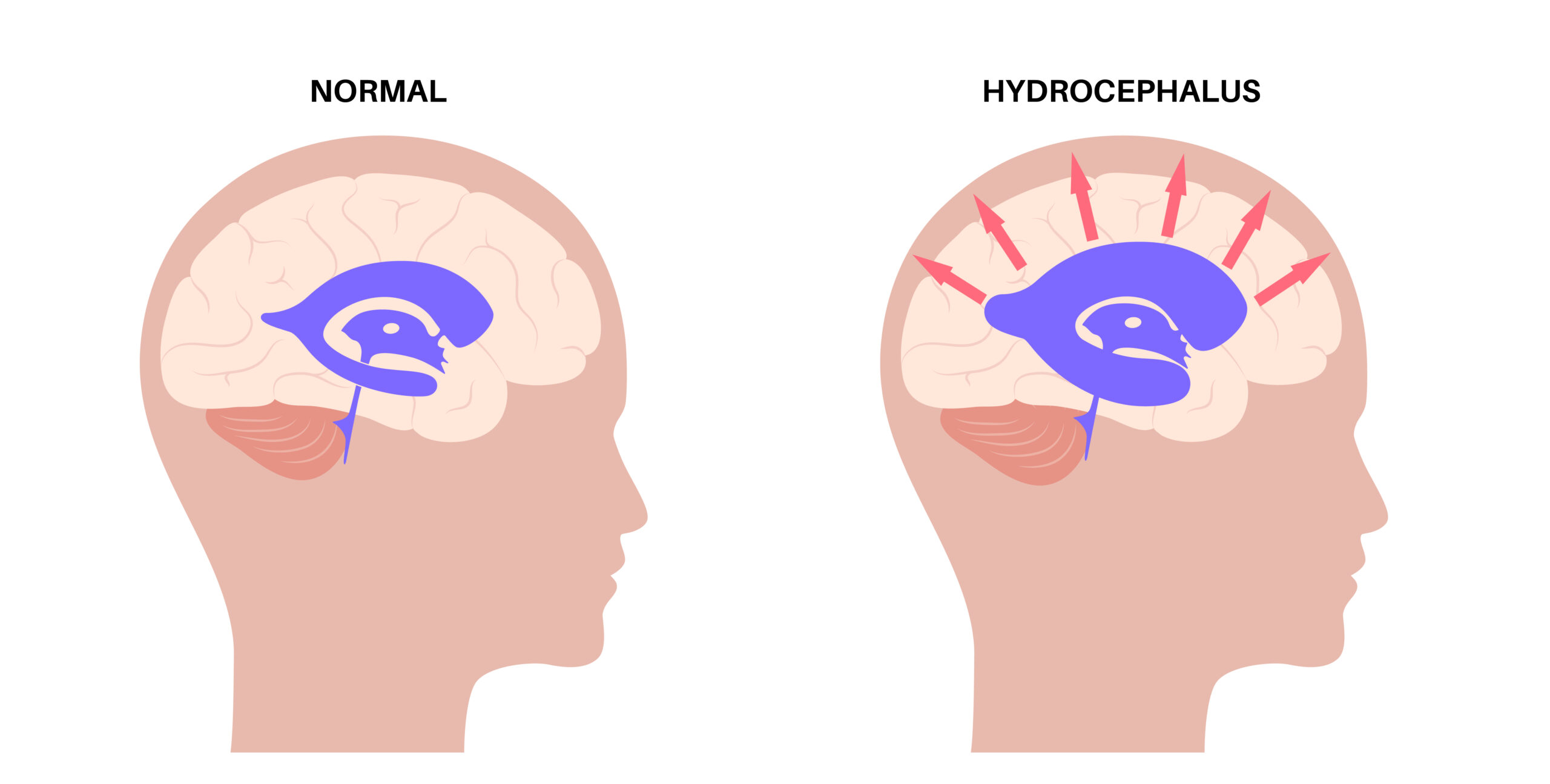
Normal Pressure Hydrocephalus (NPH) is a neurological condition where excess cerebrospinal fluid builds up in the brain’s ventricles, leading to a classic triad of symptoms:

  • Gait disturbance (often described as a “magnetic” or shuffling walk)
  • Cognitive decline
  • Urinary incontinence

Although medical treatment, most commonly a shunt procedure, is often necessary, physical therapy plays a critical role in improving mobility, safety, and overall quality of life.

Why Physical Therapy Matters for NPH

The most noticeable and disabling symptom of NPH is difficulty walking. Patients often experience:

  • Slow, short steps
  • Poor balance
  • Difficulty initiating movement
  • Frequent falls

Physical therapy directly targets these impairments, helping patients regain independence and confidence.


Key Ways Physical Therapy Helps

1. Gait Training

One of the primary goals is to improve walking ability.

Therapists focus on:

  • Increasing step length and walking speed
  • Practicing proper foot clearance
  • Improving rhythm and coordination

Benefit: Patients often move from a shuffling gait to a more natural walking pattern.


2. Balance and Fall Prevention

Balance deficits are a major concern with NPH.

Therapy may include:

  • Static and dynamic balance exercises
  • Weight-shifting drills
  • Dual-task training (walking while thinking or talking)

Benefit: Reduced fall risk and increased safety at home and in the community.


3. Strength Training

Weakness, especially in the legs, can worsen mobility issues.

Programs typically target:

  • Quadriceps
  • Glutes
  • Core muscles

Benefit: Stronger muscles support better posture, walking, and transfers (like getting up from a chair).


4. Functional Mobility Training

This focuses on everyday movements, such as:

  • Sit-to-stand transitions
  • Turning and changing direction
  • Getting in and out of bed

Benefit: Improved independence with daily activities.


5. Assistive Device Training

Many patients benefit from tools like:

  • Walkers
  • Canes

A physical therapist ensures:

  • Proper fit
  • Safe usage
  • Progression as the patient improves

Benefit: Increased confidence and reduced fall risk.


6. Post-Shunt Rehabilitation

After a shunt procedure, physical therapy becomes even more important.

Therapists help patients:

  • Re-learn improved movement patterns
  • Take advantage of symptom relief
  • Progress activity safely

Benefit: Maximizes the effectiveness of surgical treatment.


What Does a Typical PT Program Look Like?

A personalized program may include:

  • 2–3 sessions per week initially
  • A structured home exercise program
  • Ongoing reassessment of gait and balance

Treatment is highly individualized, depending on severity and response to medical care.


Can Physical Therapy Cure NPH?

Physical therapy does not cure NPH, but it is one of the most effective ways to:

  • Improve mobility
  • Reduce falls
  • Enhance independence
  • Support recovery after medical treatment

Think of it as a critical piece of the overall management plan.


When Should Someone Start Physical Therapy?

Early intervention is key. You should consider PT if:

  • Walking becomes slower or more unstable
  • There are recent falls or near-falls
  • A diagnosis of NPH has been made
  • A shunt procedure is planned or completed

Normal Pressure Hydrocephalus can significantly impact daily life, but with the right combination of medical care and targeted physical therapy, many patients see meaningful improvements. Physical therapy helps bridge the gap between diagnosis and real-world function, turning clinical progress into safer walking, better balance, and greater independence. If you have questions about how physical therapy can help with NPH, contact our office at 480-719-8000.

Proper blood pressure before doing physical therapy

The Importance of Maintaining Proper Blood Pressure Before Doing Physical Therapy

Physical therapy is designed to help people recover from injury, improve movement, and reduce pain. However, one important factor that should always be considered before beginning exercise in therapy is blood pressure. Maintaining a safe blood pressure range helps ensure that treatment is both safe and effective.

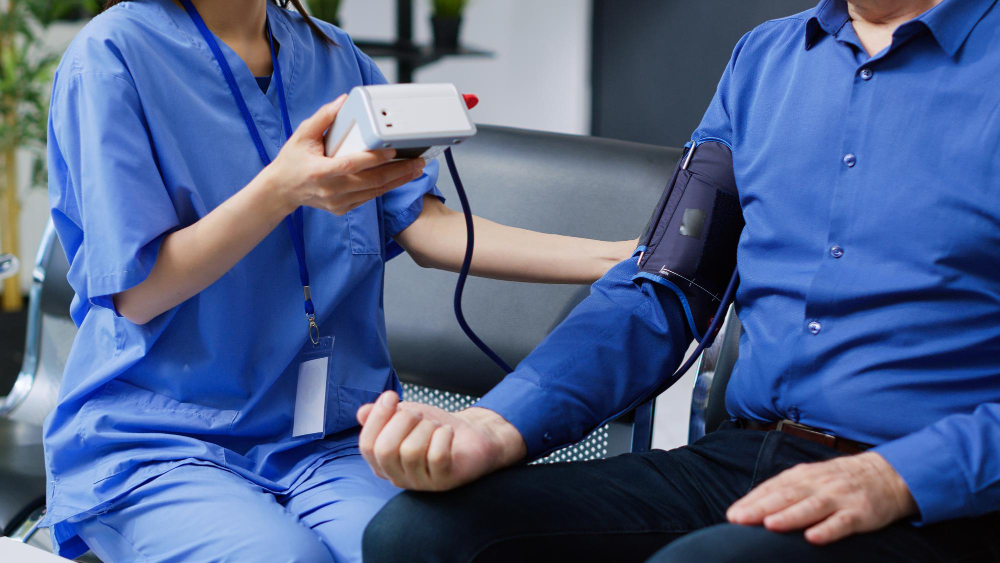
Because many physical therapy exercises increase heart rate and circulation, therapists often check blood pressure before starting a session. This helps determine whether it is safe to proceed with exercise or if modifications are needed.


Understanding Normal Blood Pressure Ranges

Blood pressure is measured using two numbers:

  • Systolic pressure – the pressure when the heart beats

  • Diastolic pressure – the pressure when the heart rests between beats

Blood pressure is written as systolic over diastolic (example: 120/80 mmHg).

General adult blood pressure categories include:

Normal

  • Less than 120/80 mmHg

Elevated

  • Systolic 120–129

  • Diastolic less than 80

Stage 1 Hypertension

  • Systolic 130–139

  • Diastolic 80–89

Stage 2 Hypertension

  • Systolic 140 or higher

  • Diastolic 90 or higher

Hypertensive Crisis

  • 180/120 mmHg or higher

  • Requires immediate medical attention


Blood Pressure and Physical Therapy Safety

Most physical therapists follow general safety guidelines when evaluating whether exercise is appropriate.

Typical considerations include:

Safe to Begin Exercise

  • Generally below 180/100 mmHg at rest

Exercise Should Be Delayed or Modified

  • Above 180/100 mmHg at rest

Exercise Should Be Stopped

  • Blood pressure rises above 250/115 mmHg during activity

  • Patient develops symptoms such as dizziness, chest pain, or severe headache

These guidelines help therapists protect patients while still promoting safe physical activity.


Why Blood Pressure Monitoring Matters

Monitoring blood pressure before and during therapy helps prevent potential complications such as:

  • Dizziness or fainting

  • Excessive cardiovascular strain

  • Shortness of breath

  • Headaches

  • Increased risk of cardiac events in high-risk individuals

By keeping blood pressure within safe ranges, patients can participate more comfortably and gain the full benefits of therapy.


How Physical Therapy Can Help Blood Pressure

The good news is that regular physical activity—including exercises prescribed in physical therapy—can actually help improve blood pressure control over time. Consistent movement, strength training, and cardiovascular exercise support heart health and better circulation.

Many patients find that as their strength, endurance, and overall fitness improve, their blood pressure also becomes easier to manage.


Tips Before Your Physical Therapy Session

To help keep your blood pressure in a safe range before therapy:

  • Take your blood pressure medications as prescribed

  • Stay hydrated

  • Avoid excess caffeine right before your appointment

  • Eat a light meal if recommended

  • Inform your therapist if you experience dizziness, headaches, or chest discomfort

Maintaining proper blood pressure before starting physical therapy helps ensure that exercise is safe, controlled, and beneficial. Monitoring these values allows therapists to tailor treatment appropriately and protect patients while helping them regain strength and mobility.

When patients and therapists work together to monitor blood pressure, physical therapy becomes a powerful and safe tool for recovery and long-term health. If you have concerns your blood pressure may be high before your physical therapy appointment, check with your physical therapist to make sure you are safe and ready to go.

multiple sclerosis

Multiple Sclerosis and Physical Therapy: Managing Fatigue, Balance, and Strength

Multiple sclerosis (MS) is a chronic neurological condition that affects the brain and spinal cord, often leading to fatigue, muscle weakness, balance problems, and changes in mobility. While MS symptoms can vary from person to person, one thing is consistent—physical therapy can play a powerful role in maintaining function, independence, and quality of life.

With the right guidance and exercise plan, many people living with MS can stay active, safe, and confident in their daily routines.


Understanding Multiple Sclerosis

MS occurs when the immune system mistakenly attacks the protective covering of nerves (myelin), disrupting communication between the brain and body. This can lead to symptoms such as:

  • Persistent fatigue

  • Muscle weakness or stiffness

  • Difficulty with balance and coordination

  • Walking challenges

  • Numbness or tingling

  • Changes in vision or thinking

Symptoms may come and go or gradually progress, which makes ongoing management especially important.


Why Physical Therapy Matters in MS

Physical therapy focuses on helping people move better, conserve energy, and stay independent despite changing symptoms. Treatment is always tailored to the individual’s abilities, goals, and stage of MS.

Key benefits include:

  • Maintaining strength and flexibility

  • Improving balance and reducing fall risk

  • Managing fatigue more effectively

  • Supporting safe and efficient walking

  • Promoting long-term mobility and independence


Managing Fatigue Through Therapy

Fatigue is one of the most common and challenging MS symptoms. Physical therapists teach strategies such as:

  • Energy conservation techniques (planning, pacing, prioritizing tasks)

  • Gentle strengthening and aerobic exercise to improve endurance

  • Rest-break scheduling to avoid overexertion

  • Cooling strategies when heat worsens symptoms

Learning how to balance activity and rest can dramatically improve daily function.


Improving Balance and Preventing Falls

Balance changes in MS can increase fall risk and reduce confidence. PT may include:

  • Targeted balance and coordination exercises

  • Core strengthening for stability

  • Gait training to improve walking safety

  • Recommendations for assistive devices if needed

Even small balance improvements can make everyday movement feel safer and easier.


Building Strength Safely

Many people with MS worry that exercise will worsen symptoms. In reality, appropriate, guided exercise is safe and beneficial.

Physical therapists design programs that focus on:

  • Low-to-moderate intensity strengthening

  • Stretching to reduce stiffness and spasticity

  • Functional movements used in daily life

  • Gradual progression to avoid fatigue flare-ups

The goal is not to push to exhaustion—but to build sustainable strength.


Staying Active for the Long Term

Consistency matters more than intensity. A physical therapist can create a home exercise program that fits energy levels and lifestyle, helping people with MS stay active between visits and adapt as symptoms change.

Regular movement supports:

  • Better mobility

  • Improved mood and confidence

  • Reduced secondary complications

  • Greater independence over time


The Takeaway

Living with multiple sclerosis brings real challenges—but physical therapy provides practical tools to manage fatigue, improve balance, build strength, and protect independence.

With the right support and a personalized plan, people with MS can continue moving forward—safely, confidently, and actively. If you have any questions about how Neuro and Brain Performance Center can help, contact us at 480-719-8080

Living with Parkinson's

Living with Parkinson’s: How Rehab Can Improve Mobility and Quality of Life

Parkinson’s disease is a progressive neurological condition that affects movement, balance, coordination, and daily activities. While it can bring challenges, there's powerful support available—neuro rehabilitation therapy. Physical, occupational, and speech therapy all play essential roles in helping individuals with Parkinson’s stay active, independent, and confident.

Living with Parkinson’s doesn’t mean giving up mobility or quality of life. With the right rehab strategies, many people continue to move well and stay engaged in the activities they love.


Understanding Parkinson’s Disease

Parkinson’s affects the brain’s ability to produce dopamine, a chemical that helps control movement. This can cause symptoms such as:

  • Slowness of movement (bradykinesia)

  • Tremors

  • Muscle stiffness

  • Changes in posture and balance

  • Difficulty walking

  • Speech or swallowing changes

These symptoms can make daily living more challenging—but rehabilitation offers tools to manage them effectively.


How Physical Therapy Helps

Physical therapy is one of the most important parts of Parkinson’s care. It focuses on:

🏃‍♂️ Improving Mobility

Therapists use targeted exercises to help improve walking, posture, and overall movement patterns.

⚖️ Enhancing Balance

Balance training reduces fall risk and builds confidence during daily activities.

💪 Increasing Strength & Flexibility

Regular guided exercise helps reduce stiffness, maintain joint mobility, and support stronger, more efficient movement.

🧠 Teaching “Big” and “Loud” Movements

Parkinson’s often causes movements to become smaller and slower. Evidence-based programs like LSVT BIG help retrain the body to make bigger, more intentional movements.


How Occupational Therapy Helps

Occupational therapy focuses on keeping everyday life as independent and manageable as possible. OT supports:

  • Dressing, bathing, and grooming

  • Hand coordination and fine motor skills

  • Home safety and fall prevention

  • Energy conservation strategies

  • Adaptive tools (grab bars, weighted utensils, button aids, etc.)
    These practical techniques can make daily routines easier and more comfortable.


How Speech Therapy Helps

Speech therapy helps with voice changes, speech clarity, and swallowing difficulties that many people with Parkinson’s experience. An SLP may work on:

  • Speaking louder and more clearly

  • Improving breath support

  • Strengthening swallowing muscles

  • Using strategies to communicate confidently
    Programs like LSVT LOUD are designed specifically for Parkinson’s.


Staying Active at Home

Rehab professionals often provide home exercise programs to keep progress going between sessions. This may include:

  • Stretching

  • Strength exercises

  • Balance activities

  • Walking programs

  • Voice exercises
    Consistency is key—the more regularly someone practices, the better the results.


The Emotional Side of Living with Parkinson’s

Rehab doesn’t just improve mobility—it boosts confidence and empowers individuals to remain active and engaged. Staying connected with hobbies, friends, and meaningful activities can greatly improve quality of life.


The Takeaway

Parkinson’s disease may be a lifelong condition, but it doesn’t have to define someone’s independence or daily life. With physical, occupational, and speech therapy, individuals can improve mobility, reduce symptoms, and maintain a high quality of life. Neuro Rehabilitation gives people with Parkinson’s the tools to keep moving, stay confident, and live life fully.

If you have questions about how our Neuro Rehabilitation program can help you or a loved one. Contact us at 480-719.8080.

speech therapist working with stroke patient

Speech Therapy After a Brain Injury or Stroke: What to Expect

A brain injury or stroke can affect much more than movement—it can change the way someone speaks, understands language, thinks, or even swallows. These challenges can be frustrating for both patients and families, but there’s good news: speech therapy can help rebuild these essential skills and restore confidence in daily communication.


What Is Speech Therapy?

Speech therapy (provided by a speech-language pathologist, or SLP) focuses on improving communication, thinking skills, and swallowing abilities. After a brain injury or stroke, therapy helps retrain the brain using specialized exercises, strategies, and tools designed to rebuild the skills needed for everyday life.


Why Communication Changes After a Stroke or Brain Injury

Depending on the part of the brain affected, a person may experience:

  • Aphasia: Difficulty understanding or expressing language

  • Dysarthria: Slurred or weak speech

  • Apraxia: Trouble coordinating the movements needed for speech

  • Cognitive challenges: Problems with memory, attention, or processing information

  • Swallowing difficulties (dysphagia)

Speech therapy supports recovery in all of these areas.


What Speech Therapy Helps With

Speech therapists create personalized plans based on each patient’s challenges and goals. Treatment may include:

🗣️ Rebuilding Speech & Language

Exercises to improve word-finding, sentence formation, clarity, and communication confidence.

🧠 Cognitive Training

Activities targeting memory, attention, problem-solving, and organization—skills needed for work, daily tasks, and social interactions.

📖 Reading & Writing Skills

Support with understanding written language, completing forms, or writing emails or messages.

🍽️ Swallowing Therapy

Safe swallowing strategies, exercises, and sometimes diet modifications to prevent choking or aspiration.

💬 Communication Strategies

Teaching patients (and families) tools to make communication easier—like slowing speech, using gestures, or using communication boards or apps.


What to Expect During Sessions

Every session may look a little different, but here’s what patients can expect:

  • A friendly, supportive environment

  • One-on-one attention from a trained SLP

  • Exercises tailored to real-life needs

  • Practical strategies to use at home

  • Progress tracking and goal updates

Family members are often included to help reinforce communication strategies outside the clinic.


The Importance of Consistency

Progress may feel slow at times, but consistency is key. Repetition and practice help create new neural pathways in the brain—supporting long-term recovery. Every improvement, big or small, is a meaningful step forward.


The Takeaway

Speech therapy is a crucial part of recovery after a stroke or brain injury. It helps patients regain their voice—literally and figuratively—by improving communication, thinking skills, and swallowing safety.

With patience, practice, and the right support, many people experience significant improvements and rediscover the confidence to connect with the world around them.

If you have questions about how our Speech Therapy program can help you or a loved one. Contact us at 480-719.8080.

Occupational Therapy for Neurological Conditions

Occupational Therapy for Neurological Conditions: Regaining Independence

When a neurological condition affects the brain, spinal cord, or nerves, it can change how a person moves, thinks, or performs everyday activities. Simple tasks like getting dressed, cooking, or writing can suddenly feel overwhelming. This is where occupational therapy (OT) steps in—helping people rebuild their skills, confidence, and independence.


What Is Occupational Therapy?

Occupational therapy focuses on helping individuals participate in the daily activities—or “occupations”—that give life meaning and purpose. For someone with a neurological condition, that might mean learning how to move safely, improving coordination, adapting the home environment, or finding new ways to complete routine tasks.

The ultimate goal? To help each person live as independently and fully as possible.


How Neurological Conditions Affect Daily Life

Conditions such as stroke, traumatic brain injury (TBI), multiple sclerosis (MS), Parkinson’s disease, or spinal cord injury can affect:

  • Movement and coordination

  • Balance and posture

  • Vision and perception

  • Memory, attention, and problem-solving

  • Fine motor skills (like buttoning a shirt or writing)

  • Energy and endurance

These challenges can make day-to-day living difficult—but occupational therapy provides tools and strategies to make life easier.


How Occupational Therapy Helps

Occupational therapists create individualized plans based on each person’s needs and goals. Therapy may include:

Relearning Daily Skills

Practicing self-care activities such as dressing, eating, and bathing safely and independently.

Improving Hand and Arm Function

Strengthening and coordination exercises help patients regain control for tasks like cooking, grooming, or typing.

Home and Environmental Modifications

Therapists can recommend adaptive equipment (like grab bars, shower seats, or special utensils) and rearrange spaces to promote safety and accessibility.

Cognitive and Visual Training

Activities to improve attention, problem-solving, and memory—skills that are essential for work, school, or managing daily routines.

Energy Conservation & Fatigue Management

Learning pacing techniques and smart ways to save energy throughout the day.


Supporting Independence Beyond the Clinic

Occupational therapy extends beyond hands-on treatment. Therapists empower patients and families with education, at-home strategies, and encouragement to continue progress in real-world settings.


The Power of Occupational Therapy

For individuals recovering from neurological conditions, OT is more than just therapy—it’s a bridge back to independence, confidence, and quality of life.

With the right support and consistent effort, patients can regain control over their daily routines and rediscover what makes life meaningful.


Occupational therapy helps people with neurological conditions rebuild skills, adapt their environment, and live more independently—one step, one task, and one success at a time. If you have questions about how Occupational Therapy can help you, contact our office at 480-719-8080