Neurological Rehabilitation Providers
Give us a Call
(480) 719-8080
Opening Hours
Mon - Friday: 7AM - 7PM
Parkinson's Disease

How Can Physical Therapy Help with Parkinson’s Disease?

Parkinson’s Disease (PD) is a progressive neurological disorder that affects movement, balance, and coordination. While there’s no cure, physical therapy plays a key role in helping individuals with Parkinson’s maintain mobility, independence, and quality of life.

Understanding Parkinson’s Disease

People with Parkinson’s often experience symptoms such as:

  • Tremors or shaking

  • Muscle stiffness or rigidity

  • Slower movement (bradykinesia)

  • Balance and posture difficulties

  • Shuffling gait or freezing episodes

These symptoms can make everyday activities — walking, dressing, or even getting out of bed — more challenging. That’s where physical therapy can make a real difference.

How Physical Therapy Helps

A licensed physical therapist designs an individualized program to address the unique challenges of Parkinson’s Disease. Here’s how PT can help:

1. Improves Mobility and Balance

Therapists use exercises that target coordination and balance to reduce fall risk. This may include gait training, posture correction, and functional movement drills to make walking safer and smoother.

2. Increases Strength and Flexibility

Regular stretching and strengthening exercises help combat stiffness and improve range of motion, making movement easier and less painful.

3. Enhances Walking and Gait Patterns

Specific training techniques, such as rhythmic cueing or visual markers, can help reduce shuffling and freezing, allowing for more fluid and confident walking.

4. Boosts Confidence and Independence

As mobility improves, so does confidence. Many patients find they can return to activities they enjoy, like gardening, exercising, or socializing.

5. Supports Long-Term Disease Management

Physical therapy can slow the progression of mobility issues and help manage symptoms over time, especially when combined with medications and other therapies.

Common Physical Therapy Techniques for Parkinson’s

  • LSVT BIG® Therapy: Focuses on exaggerated, large-amplitude movements to improve walking and arm motion.

  • Balance and coordination training: Reduces fall risk and enhances stability.

  • Stretching and flexibility exercises: Helps relieve muscle tightness.

  • Strength training: Builds endurance and power for daily tasks.

  • Gait training: Improves stride length, rhythm, and safety.

The Bottom Line

Physical therapy is an essential part of managing Parkinson’s Disease. By focusing on movement, balance, and strength, PT helps patients stay active, safe, and independent for as long as possible.

If you or a loved one has been diagnosed with Parkinson’s, reach out to a physical therapist experienced in neurological rehabilitation — taking action early can make a lasting difference.

The Brain’s Ability to Heal: Neuroplasticity Explained

When someone experiences a stroke, brain injury, or neurological condition, it can feel like life has been turned upside down. But here’s something amazing: the brain is not a “fixed” organ. It has the power to adapt, change, and even rewire itself—a process called neuroplasticity.


What Is Neuroplasticity?

Neuroplasticity is the brain’s ability to form new connections and pathways. Think of it like a city where certain roads are damaged, but new detours and bridges are built so traffic can keep moving.

After an injury or illness, neuroplasticity allows healthy parts of the brain to take over functions once handled by damaged areas. This is why rehabilitation and practice are so important—the brain needs repeated “signals” to learn and strengthen new routes.


How Does Neuroplasticity Work?

The brain rewires itself through:

  • Repetition – Practicing movements, words, or skills over and over strengthens new connections.

  • Task-specific training – Doing activities that are meaningful (like standing up from a chair or writing) helps the brain “remember” more effectively.

  • Challenge – Trying new or slightly difficult tasks keeps the brain engaged and encourages growth.


Neuroplasticity in Action

Here are a few examples of how neuroplasticity plays a role in recovery:

  • A stroke survivor relearns how to use their arm through repeated exercises.

  • Someone with a brain injury improves memory by practicing mental strategies.

  • A person with Parkinson’s disease enhances balance and mobility with targeted movement therapy.


The Role of Rehabilitation

Physical, occupational, and speech therapy all tap into neuroplasticity. Therapists design exercises and activities that encourage the brain to adapt, helping patients regain strength, skills, and independence.


Why It’s Hopeful

Neuroplasticity shows us that the brain is always changing—at every age. Recovery may not always mean going back to how things were before, but it can mean learning new ways to live fully and independently. The brain has an incredible ability to heal and adapt. With therapy, repetition, and persistence, neuroplasticity offers hope and progress for those recovering from neurological challenges

Contact our office at 480-719-8080 to set up an appointment with our Neurological Rehabilitation team!
physical therapy in stroke recovery

The Role of Physical Therapy in Stroke Recovery

A stroke can change life in an instant. After the emergency care and medical treatment, many survivors face challenges with movement, balance, and independence. The good news? With the right rehabilitation, recovery is possible—and physical therapy plays a vital role in that journey.


Why Physical Therapy Matters After a Stroke

A stroke occurs when blood flow to the brain is interrupted, damaging brain cells. This can affect muscle strength, coordination, balance, and even the ability to walk. Physical therapy helps retrain the body and brain, using exercises and activities that promote recovery and improve quality of life.


How Physical Therapy Helps Stroke Survivors

Every stroke recovery journey is different, but physical therapy often focuses on:

  • Regaining Strength & Movement
    Exercises help rebuild strength in weak muscles and restore range of motion.

  • Improving Balance & Coordination
    PT addresses unsteadiness to reduce fall risk and increase confidence when moving.

  • Walking Again
    Therapists use gait training, assistive devices, or body-weight support systems to help survivors relearn how to walk.

  • Reducing Spasticity & Stiffness
    Stretching, positioning, and movement techniques can ease muscle tightness.

  • Encouraging Brain Rewiring (Neuroplasticity)
    Repetition of movements helps the brain create new pathways to regain lost skills.


What to Expect in Physical Therapy

Stroke rehab is tailored to each person’s needs and may include:

  • Guided exercises

  • Balance and mobility training

  • Use of treadmills, resistance bands, or specialized equipment

  • At-home exercise plans for continued progress

Therapists also teach patients and families strategies to safely navigate daily life.


The Power of Persistence

Stroke recovery takes time, patience, and consistency. Some survivors see progress quickly, while others improve gradually over months or even years. The key is sticking with therapy and celebrating each step forward.


Takeaway

Physical therapy is more than just exercise—it’s a cornerstone of stroke recovery. By restoring movement, building strength, and fostering independence, PT helps survivors reclaim their lives and move toward a brighter future.

Contact our office at 480-719-8080 to set up an appointment with our Neurological Rehabilitation team!
neurological rehabilitation

What Is Neurological Rehabilitation? – An Overview for Patients and Families

When a person experiences an injury or illness that affects the brain, spinal cord, or nerves, recovery can feel overwhelming. Neurological conditions—such as stroke, traumatic brain injury, spinal cord injury, multiple sclerosis, or Parkinson’s disease—often change how someone moves, speaks, thinks, or performs daily activities.

This is where neurological rehabilitation comes in.


What Is Neurological Rehabilitation?

Neurological rehabilitation (often called neuro rehab) is a specialized program designed to help people recover from, adapt to, and manage neurological conditions. The goal is to improve independence, restore function, and enhance overall quality of life.

Rehabilitation doesn’t just focus on the body—it addresses the whole person: movement, communication, thinking skills, emotions, and everyday activities.


Who Can Benefit?

Neuro rehab may help people with conditions such as:

  • Stroke

  • Traumatic brain injury (TBI)

  • Spinal cord injury

  • Multiple sclerosis (MS)

  • Parkinson’s disease

  • Neuropathy or nerve damage

  • Other neurological disorders


What Does Rehabilitation Involve?

Because every condition and person is different, treatment is highly individualized. A rehabilitation program may include:

  • Physical Therapy: Improves strength, coordination, balance, and mobility.

  • Occupational Therapy: Focuses on regaining independence in daily activities such as dressing, cooking, and self-care.

  • Speech Therapy: Helps with speaking, understanding language, swallowing, or cognitive challenges.

  • Neuropsychology or Counseling: Supports mental health, coping strategies, and emotional adjustment.

  • Technology & Adaptive Equipment: Devices like braces, wheelchairs, or communication tools that enhance independence.


The Role of the Family

Family members play a crucial role in the rehabilitation journey. From providing encouragement and helping with exercises at home, to learning how to adapt the home environment, families are often key partners in recovery.


Why Is Neurological Rehabilitation Important?

While some neurological conditions cannot be “cured,” rehabilitation provides tools and strategies to maximize recovery and independence. With the right care, many people regain function they thought was lost—or discover new ways to accomplish tasks and live meaningful, active lives.


Takeaway: Neurological rehabilitation is more than just therapy—it’s a pathway to hope, progress, and improved quality of life for both patients and families.

Contact our office at 480-719-8080 to set up an appointment with our Neurological Rehabilitation team!
Neuro And Brain Performance Has Moved!

We are happy to announce that as of September 8th, Neuro and Brain Performance Center has moved to 5761 E. Brown Rd. #19 Mesa, AZ 85205. This is only 1.5 miles from our old location. This new location is more than double the size of our old location and will have expanded Neuro Rehabilitation and Brain Performance services.

Jason Ernst, OT will be continuing to provide Orthopedic Therapy services at our old location at 6840 E. Brown Rd. #104 Mesa, AZ 85207. Contact our office at 480-719-8080 to schedule today!

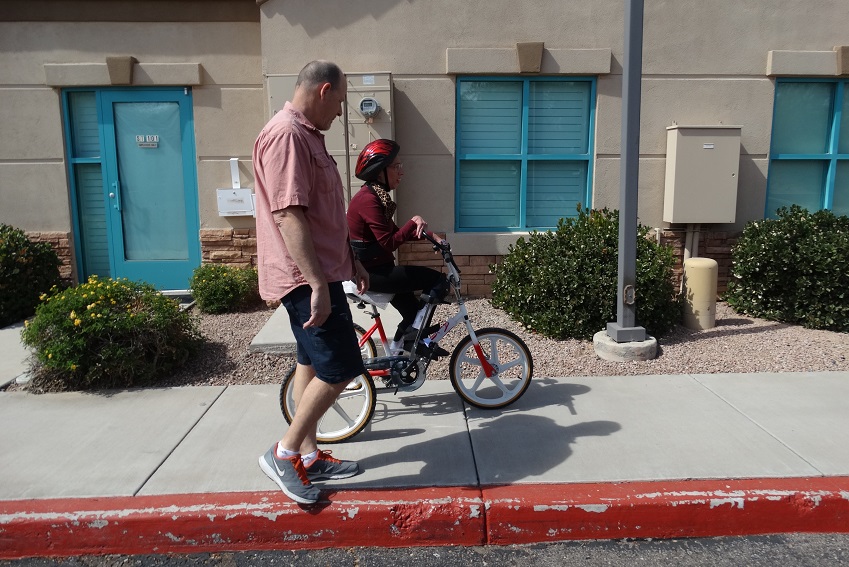
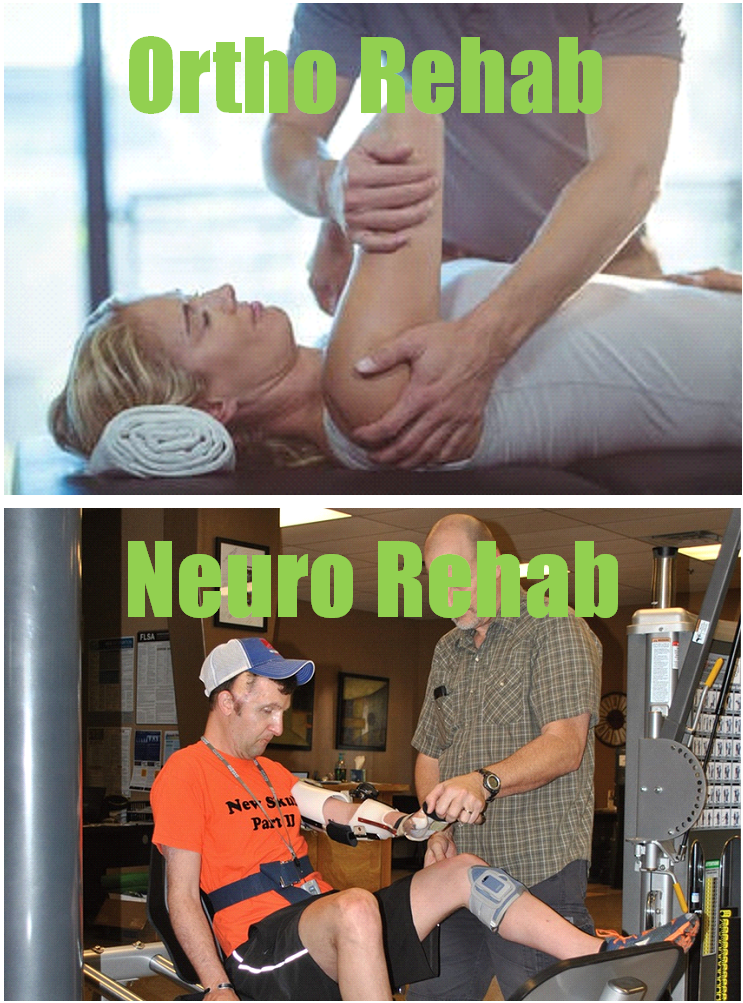
Neurological vs. Orthopedic Rehabilitation

Not all rehabilitation is the same.  Understanding the difference can help a patient find the most effective care for treating a specific condition.  Many of our patients come from physical therapy clinics that specialize in orthopedic rehabilitation and are redirected to our clinic because we specialize in neurological conditions or the patient sought us out because the treatment they were getting at the orthopedic clinic wasn’t effective.  So what is the difference between Neurological vs. Orthopedic rehabilitation.

Read More

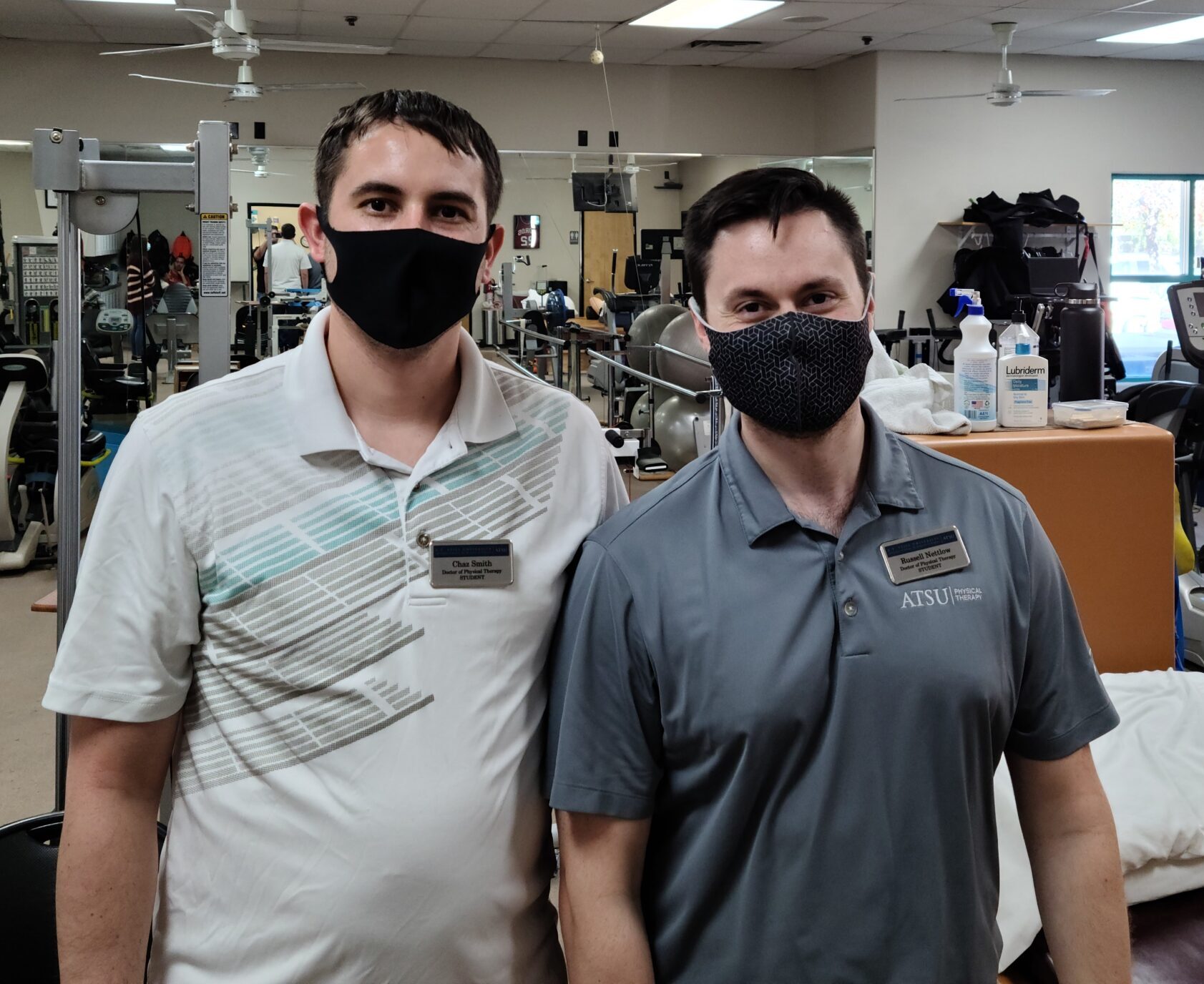
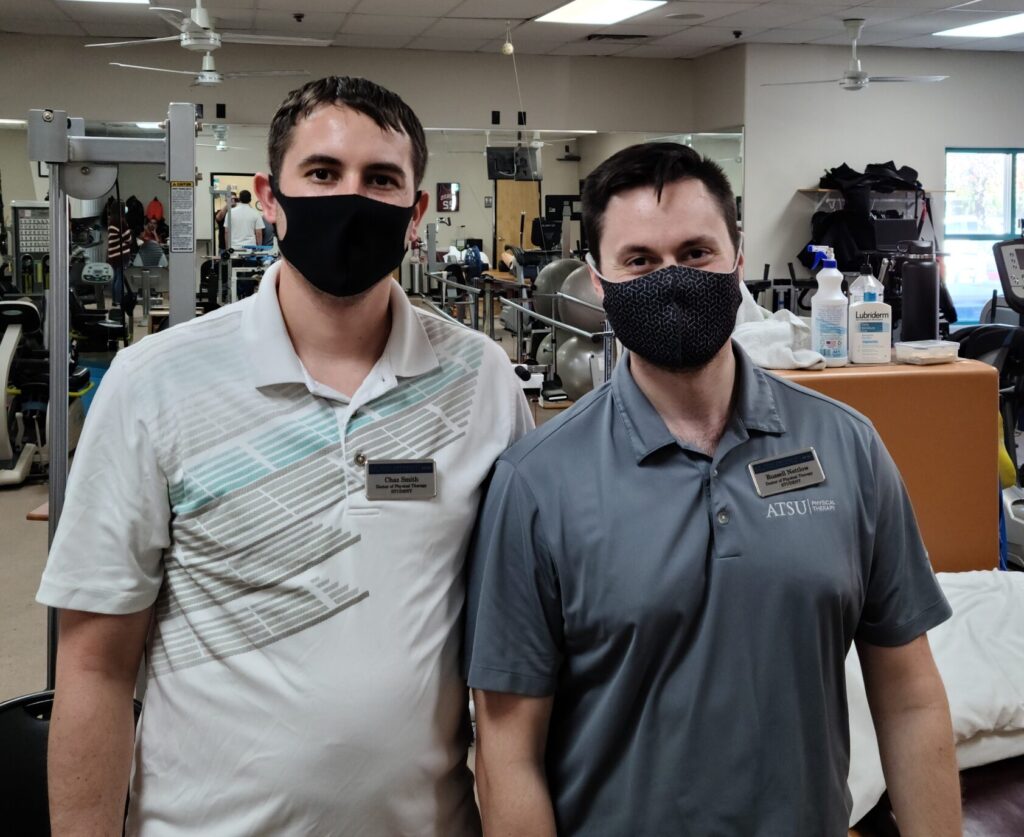
Welcome Chaz and Russell

Chaz on left, Russell on right

As a clinical internship facility, we have the opportunity to host some great students.  We welcome Chaz Smith and Russell Nettlow from A.T Stills University.  Both are pursuing their Doctorate in Physical Therapy.  As part of their education they are required to perform clinical rotations in multiple physical therapy settings.  They will both be with us for the next 10 weeks.

Meet Chaz

Chaz was born and raised in Mesa and attended Mountain View High School.  With an interest in the health and medical field he acquired his Bachelors in Biology at Grand Canyon University.  Having had his own personal experience with physical therapy, he decided to pursue his Doctorate in Physical Therapy at A.T. Stills University.  He enjoys running, puzzles and spending time with family.

Meet Russell

Russell was born and raised in Anchorage, Alaska where he attended Dimond High School.  He chose this career path because he knew he wanted to go in to healthcare but he also loved being a tutor. He found that physical therapy satisfied his urge to teach as well as his passion for healthcare.  He acquired his Bachelors in Biochemistry and is pursuing his Doctorate in Physical Therapy at A.T. Stills University. His hobbies include training Brazilian Jiu Jitsu, attending music festivals, playing video games, and playing board games with friends.


Sports Pre-concussion

Sports Pre-Concussion Screenings

Are you ready for your Sports Season?

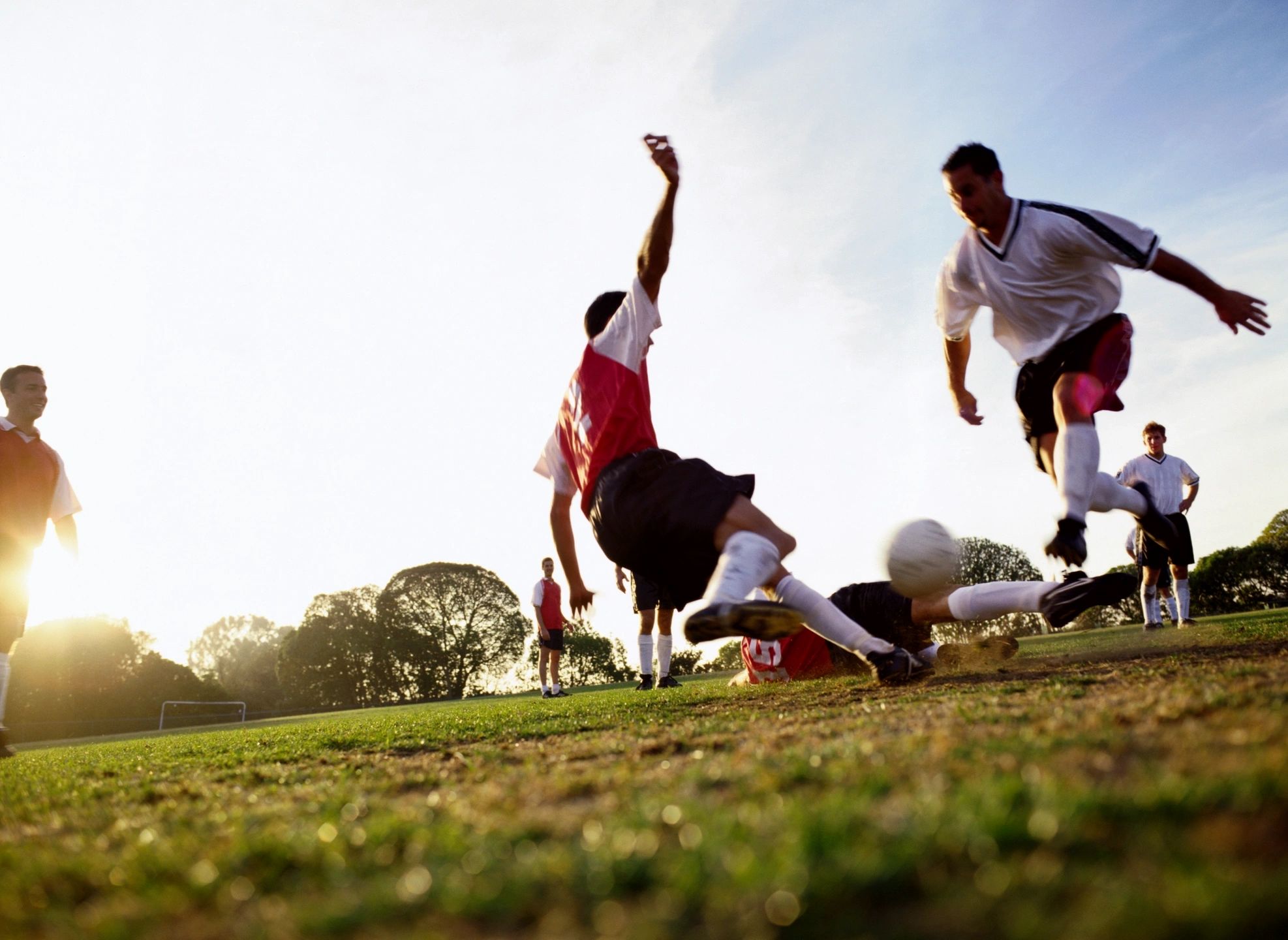
This year has been difficult for the youth athlete.  With most sports having been postponed since the Spring of this year, many of these youth athletes are trying to get back into shape and ready for the Fall sports season.  Pre-screening with Physicals are an important part of this preparation. Performing a baseline concussion screenings should be part of any athletes preparation for their sport.

Brain Performax Pre-Concussion Screening

Baseline screenings provide pre-injury information used as a comparison when a concussion occurs. We use the latest technology and testing to provide an extremely comprehensive pre-concussion baseline.This includes:

  • Cognitive Assessment
  • Balance Tests
  • Visual/Vestibular Exam
  • Optional QEEG

Offering Sports Pre-Concussion Screening Saturday September 12th, 8am-12pm

Neuro & Brain Performance Centers is offering Sports Pre-Concussion Screenings on Saturday August 29th between 8am-12pm.  This is offered to any youth athlete and will be by appointment only.  The Pre-Concussion Screening is a great tool for athletes to use if they experience a concussion.  It will help with the rehabilitation and provides objective feedback for parents and coaches before the youth athlete returns to sport. The comprehensive assessment will take about 45 minutes to complete.  Fill out the registration form below and our office will contact you to schedule.

When: September 12th (8am-12pm)

Where: Our office at 6840 E. Brown Rd. #104 Mesa, AZ 85207

Cost: $25/athlete


Pre-Concussion Registration
Preferred Time Block *

Governor Ducey Executive Order

On March 23, 2020 Governor Ducey signed an Executive Order prohibiting the closure of “Essential Services”.  As a healthcare provider, we fall under this mandate and will remain open and continue to serve our patients.

Read More